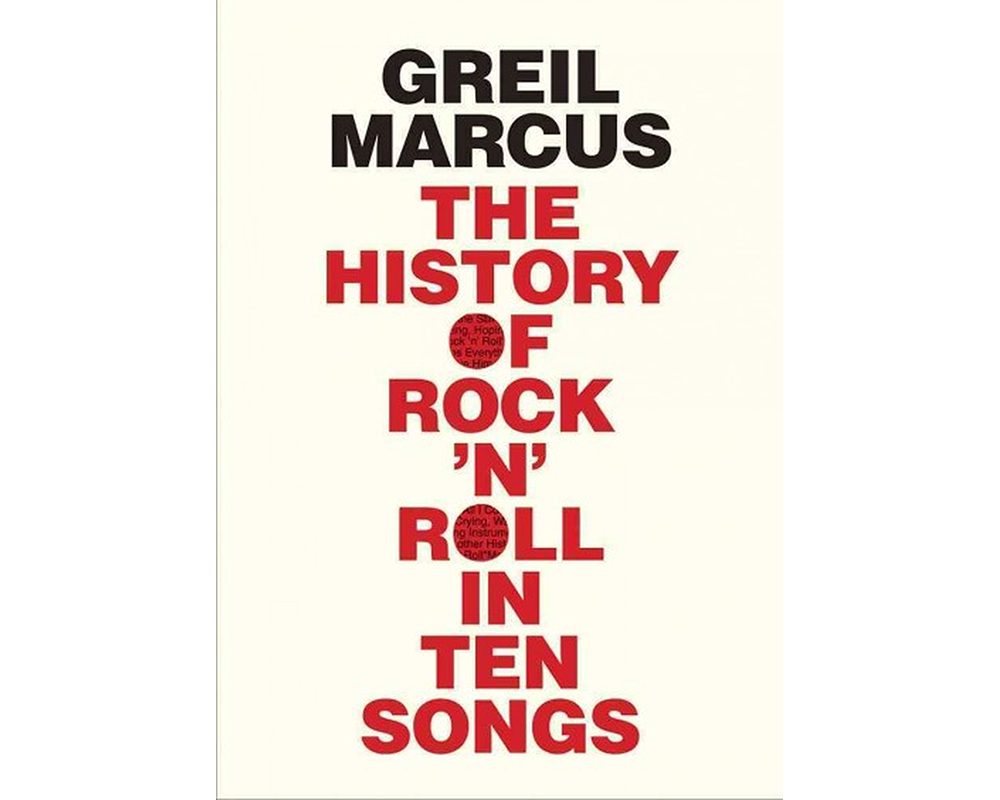
Records that made no apparent history other than their own, the faint marks they left on the charts or someone’s memory, might count for more than any master narrative that excludes them.
I also like, “There’s this part that makes you feel full. There’s this part that is redemptive and instructive, [so that] when you read something, it’s not just delight — you go, “Oh my god, that’s me! I’ve lived like that, I’ve felt like that, I’m not alone in the world…”
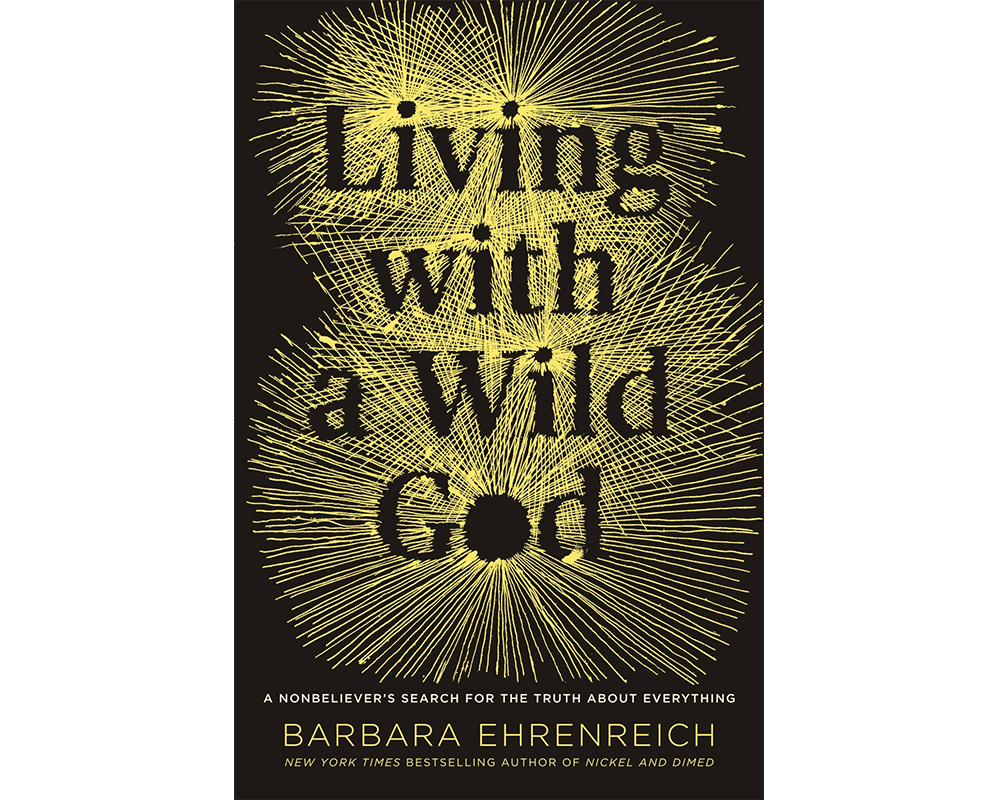
“[I]f you’re not prepared to die when you’re almost sixty, then I would say you’ve been falling down on your philosophical responsibilities as a grown-up human being.”
“The history of my mother’s religious opinions should be told as the record of a pilgrimage. As I imagine most pilgrimages, it was less the struggle towards a given end than a continual flight from disappointment and unhappiness. Neither the joys of heaven nor hell’s worst prospects provide as forceful a motive as the mere emptiness of the world.”
One of my favorite books. I read it first 20 years ago as a memoir, not a novel. Whatever it might be, it’s a wonderful book.
Love takes off the masks that we fear we cannot live without and know we cannot live within. I use the word “love” here not merely in the personal sense but as a state of being, or a state of grace – not in the infantile American sense of being made happy but in the tough and universal sense of quest and daring and growth.
The alienation of the spectator to the profit of the contemplated object (which is the result of his own unconscious activity) is expressed in the following way: the more he contemplates the less he lives; the more he accepts recognizing himself in the dominant images of need, the less he understands his own existence and his own desires. The externality of the spectacle in relation to the active man appears in the fact that his own gestures are no longer his but those of another who represents them to him. This is why the spectator feels at home nowhere, because the spectacle is everywhere.