Day’s Plays Guest Post: Peter O’Leary


[You can learn more about Peter here.]


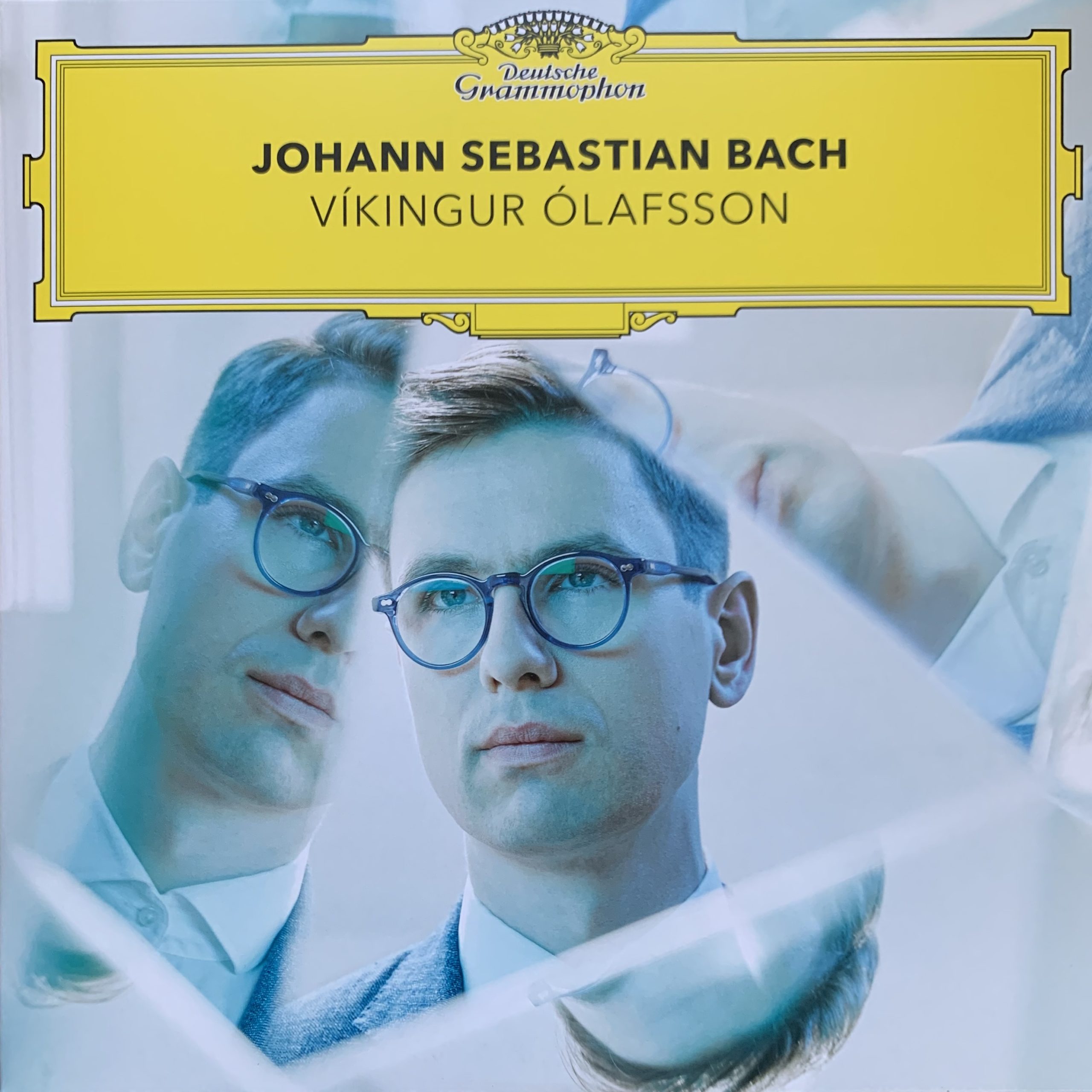
Víkingur Ólafsson, Johan Sebastian Bach (Deutsche Grammaphon, 2018): When Ólafsson released his extraordinary versions of Philip Glass’s piano pieces in 2017, I became a committed fan. So much poise. His Bach double LP is so forceful, so good, such a refreshing tonic. It’s accompanied by Bach Reworks, full of appealing electronic versions and remixes by a host of mostly Icelandic artists. Ólafsson just released another double LP putting Rameau, the late-Baroque French composer, in conversation with Debussy. Also: So photogenic!


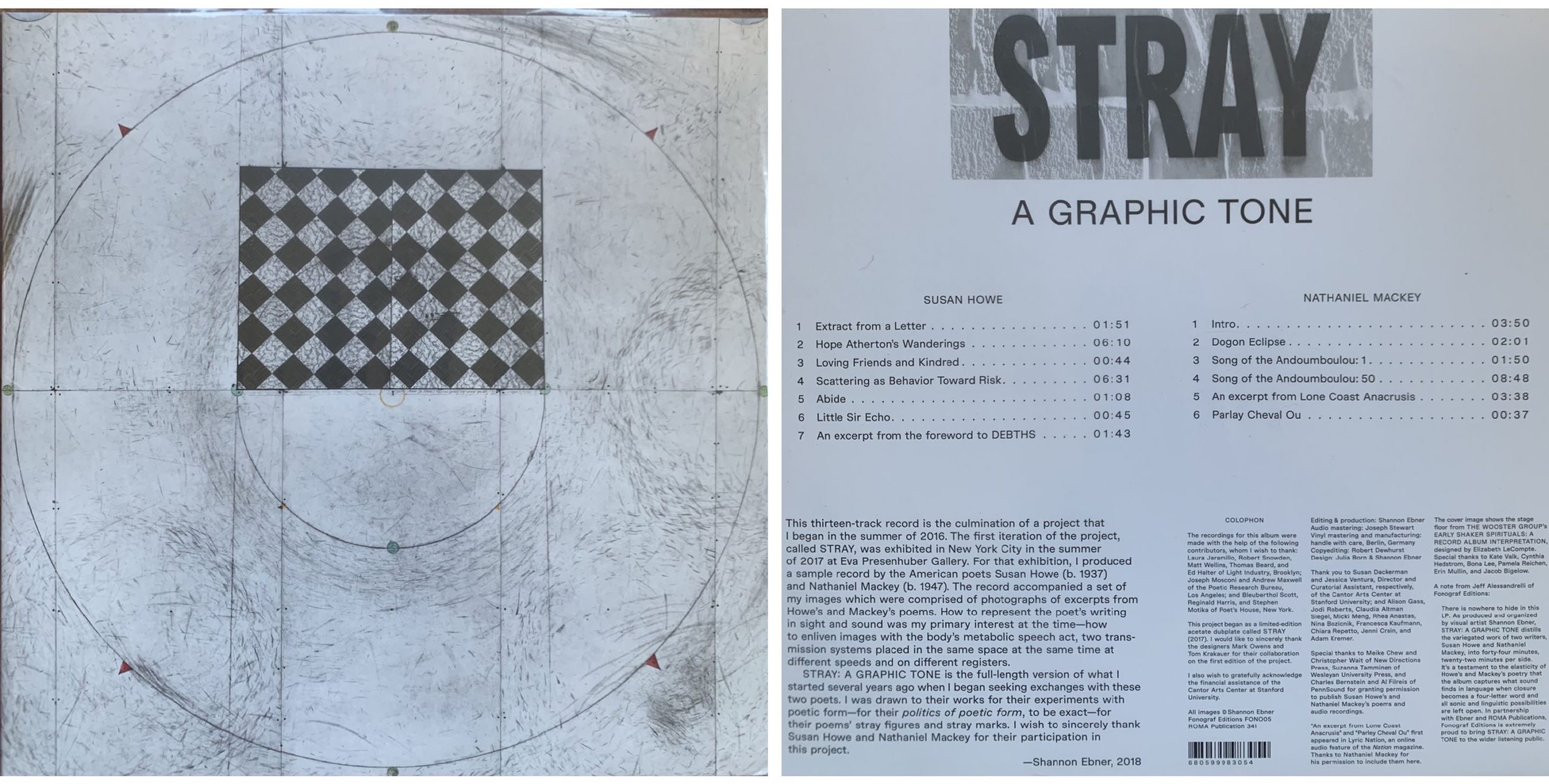
Susan Howe/Nathaniel Mackey, Stray: A Graphic Tone (Fonograf/ROMA, 2018): Neither Howe nor Mackey, two of the greatest living American poets, is a stranger to recording and performing their poetry. For years, Howe has ingeniously collaborated with David Grubbs to create soundscapes of language and pattern repetition. Likewise, Mackey, who has issued a CD of readings from “Song of the Andoumboulou,” one of his two ongoing serial poems (the other is called “Mu,” named after Don Cherry’s series), has taken to performing his poetry readings with improvisers. “Stray: A Graphic Tone” makes use of archival and more recent recordings to give a sense of these poets’ excellence. In an age of poets’ recordings proliferating on the internet (which is very much a good thing), I gotta say, nevertheless, it’s nice to have poetry on vinyl.


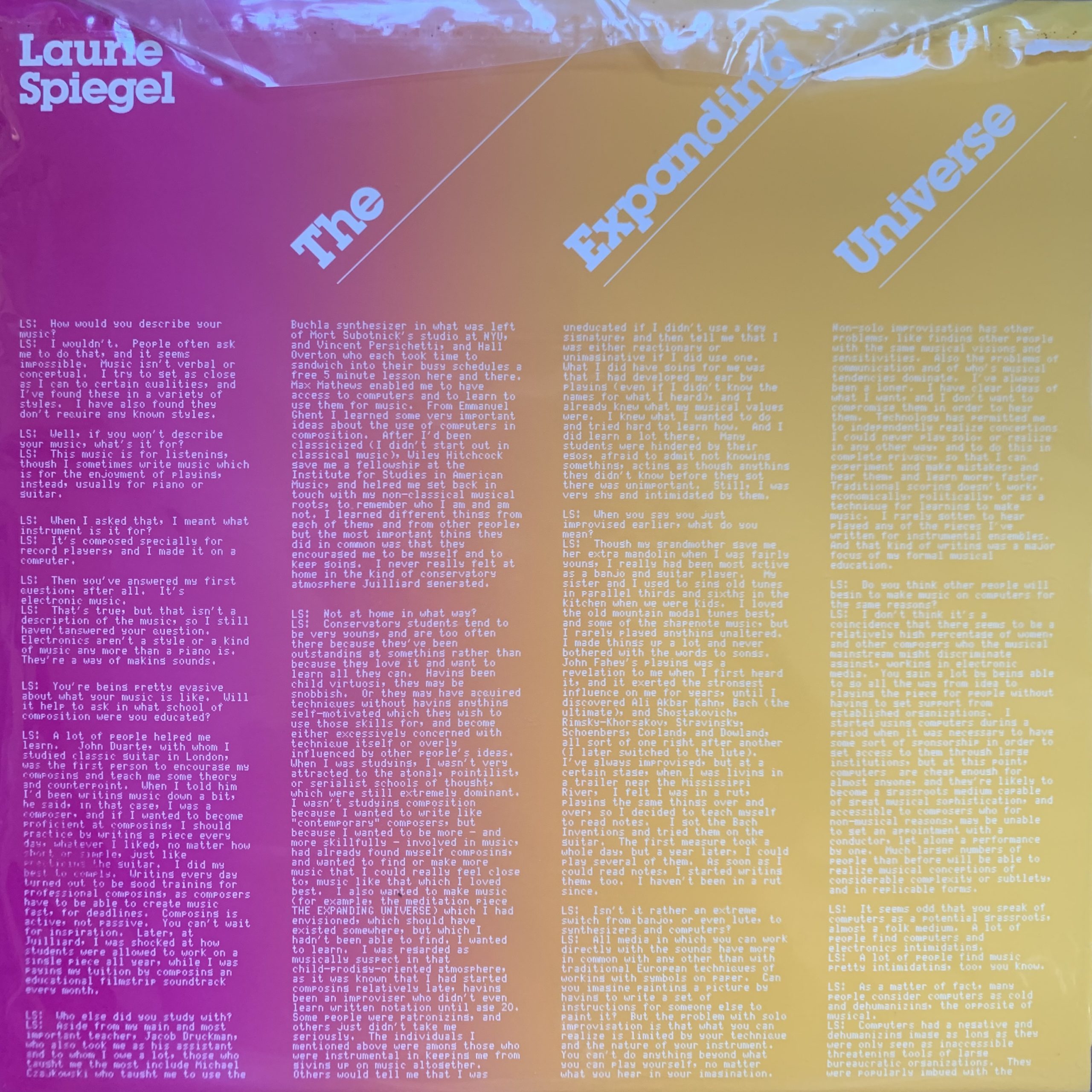
Laurie Spiegel, The Expanding Universe (Unseen Worlds, 2018): I prefer to listen to repetitive, minimalist, and ambient music when I work – by which I mean, when I am grading student essays, which pins me to my computer. I discovered Spiegel’s groundbreaking work from 1980 thanks to an algorithm on Spotify. My gratitude for that artificial semi-intelligence is immense. These grooves are hypnotic. In a lucid self-interview printed on the cover this vast triple LP, Spiegel, who worked at Bell Labs, describes, “This music is for listening.” This prompts her to ask herself, “When I asked that, I meant what instrument is it for?” To which she replies to herself, “It’s composed specially for record players, and I made it on a computer.” “Patchwork,” the opening track, “consists of relationships among four short melodic motives and four rhythmic patterns.” It’s deep – and hard to stop listening to. Here’s an interview with Spiegel from 1984. “A synergistic oscillation.”


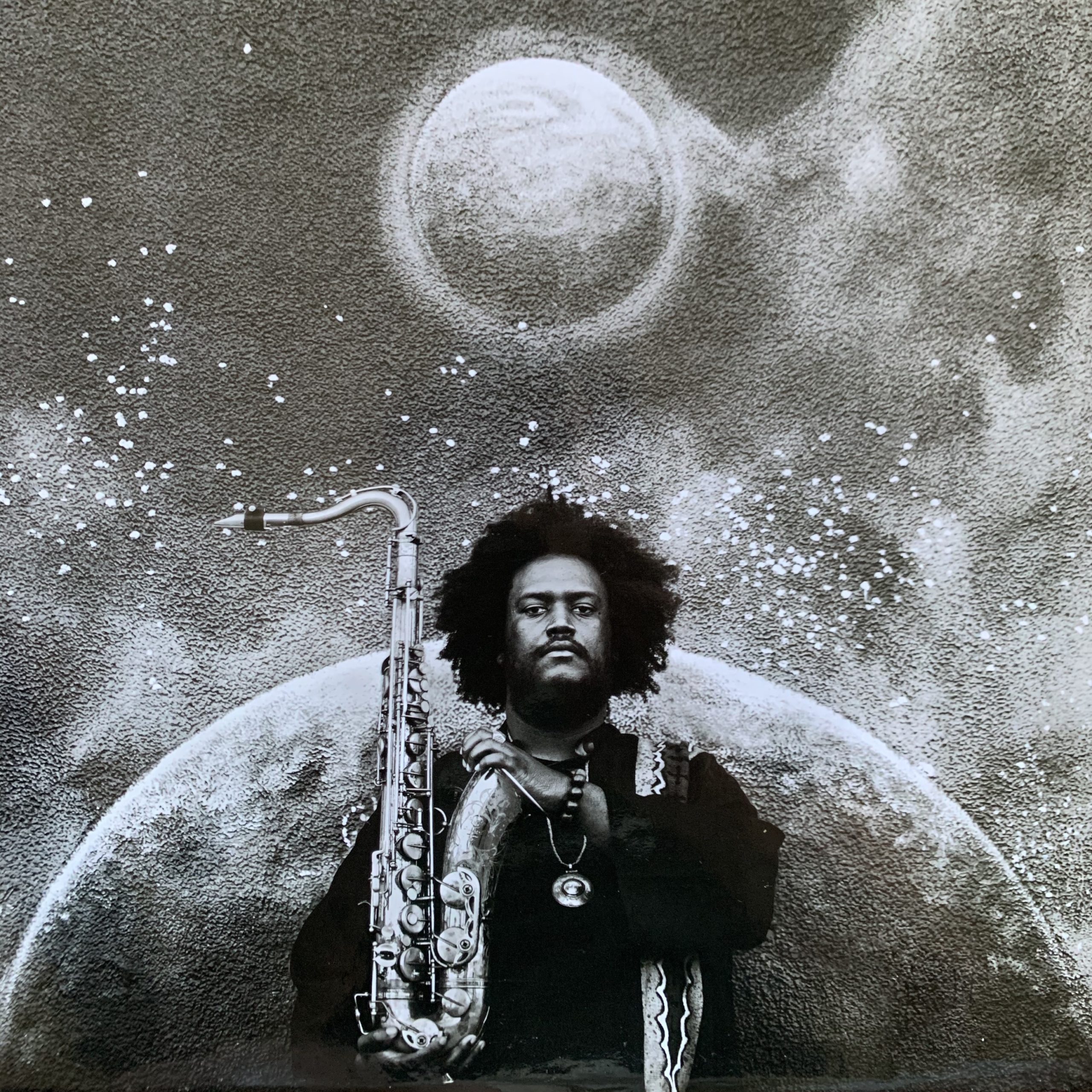
Kamasi Washington, The Epic (Brainfeeder, 2015): I love this album, which Zach encouraged me to buy when I met him at Dusty Groove a few years ago. Of epic, Georg Lúkacs wrote that epic creates distances and that epic distance “means happiness and lightness, a loosening of the bonds that tie men and objects to the ground, a lifting of the heaviness, the dullness, which are integral to life and which are dispersed only in scattered happy moments. The created distances of epic verse transform such moments into the true level of life.” Washington’s “Epic” contains everything I want in an art of grand distances and minute perceptions. I had the good fortune to see Washington and his band perform at the Riviera in Chicago on November 3, 2018, one of the best concerts I’ve ever seen. I was especially struck by how attentively Washington listened to his bandmates – he was so focused on their solos and collaborations. He was the consummate visionary bandleader, and reflecting on that concert, he offered a model of how to proceed during these tumultuous times: leading with imagination, performing when called on, and listening always.


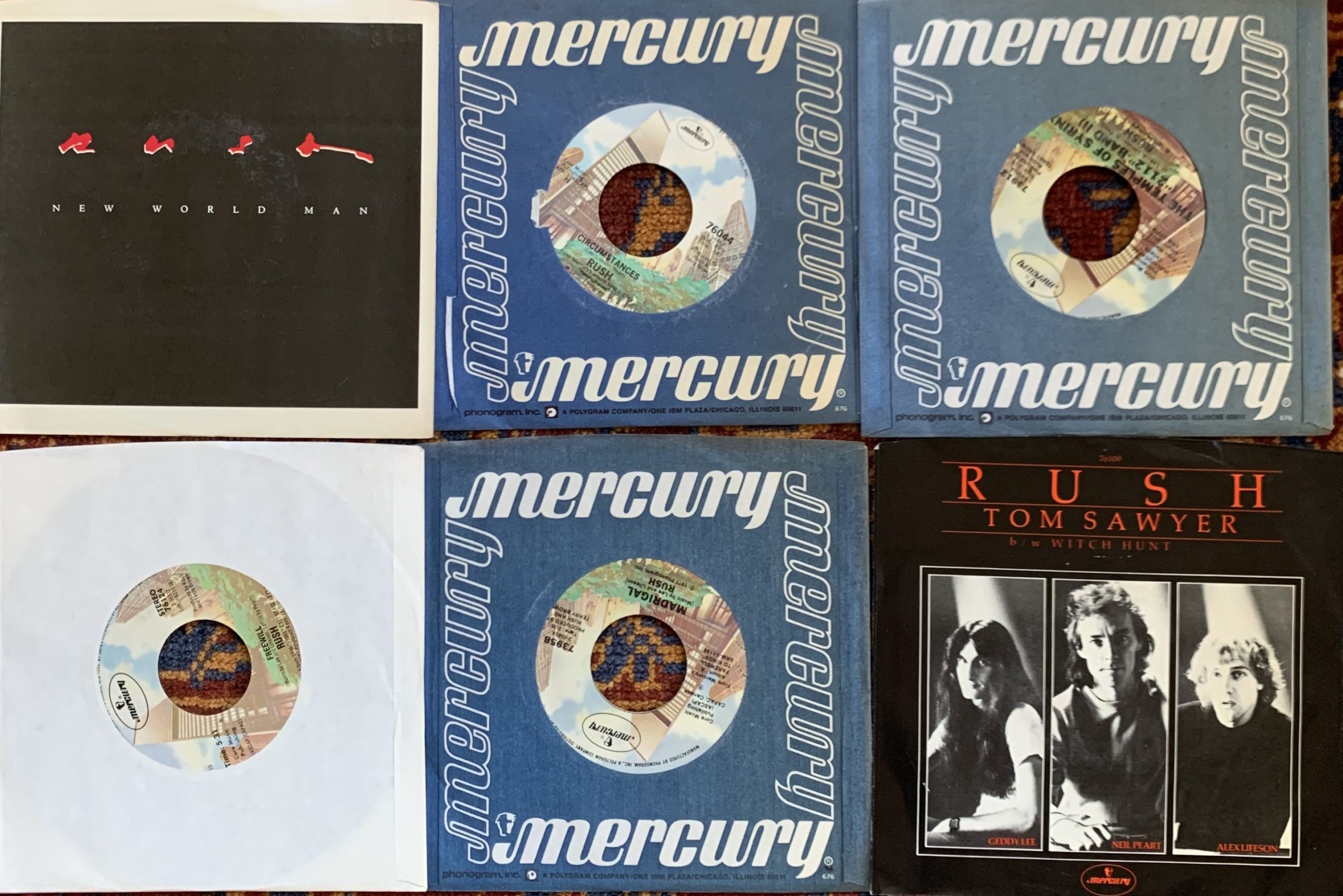
Rush, various singles (1970s/1980s): Rick Wojcik, Dusty Groove’s proprietor, gave these singles to me as a Christmas gift. They came from a juke box collection. Rick knows – and shares – my deep love of Rush. You don’t necessarily get to choose what encounter at which time in your most formative and impressionable period is going to alchemize your elements and transmute them into art, but for most artists this happens rarely. Awkward kid alienated from his suburban surroundings with a love of fantasy and sci-fi turns into an artist (a poet in my case) is not in itself so unusual. But how fortunate to have had Neil Peart to initiate that transformation! When he died back in January, I felt a pang of loss which compelled me to listen repeatedly to the music and to watch all the documentaries one more time. (“Rush: Beyond the Lighted Stage” is so good.) One song that’s been running through my head repeatedly in the past month is “Natural Science,” the track that concludes Permanent Waves. Specifically, these lyrics (and forgive the long quotation), “Art as expression, / Not as market campaigns / Will still capture our imaginations / Given the same / State of integrity / It will surely help us along // The most endangered species / The honest man / Will still survive annihilation / Forming a world / State of integrity / Sensitive, open and strong.” Okay, very proggy, but can you think of another rock song that uses “sensitive” as an adjective of praise?


Knapsack, “Twelve Degrees,” (2020): Knapsack plays all of the instruments on this song, except the drums, which are played by underscores. Note the glockenspiel in the opening. This choice is extremely prejudiced. Knapsack is Gabriel O’Leary, my son. In his own words, he’s studying how to be a pop musician at the Clive Davis Institute for Recorded Music at NYU. It’s okay!
Day’s Plays Guest Post: Roman Mars


[You can hear Roman’s work here.]


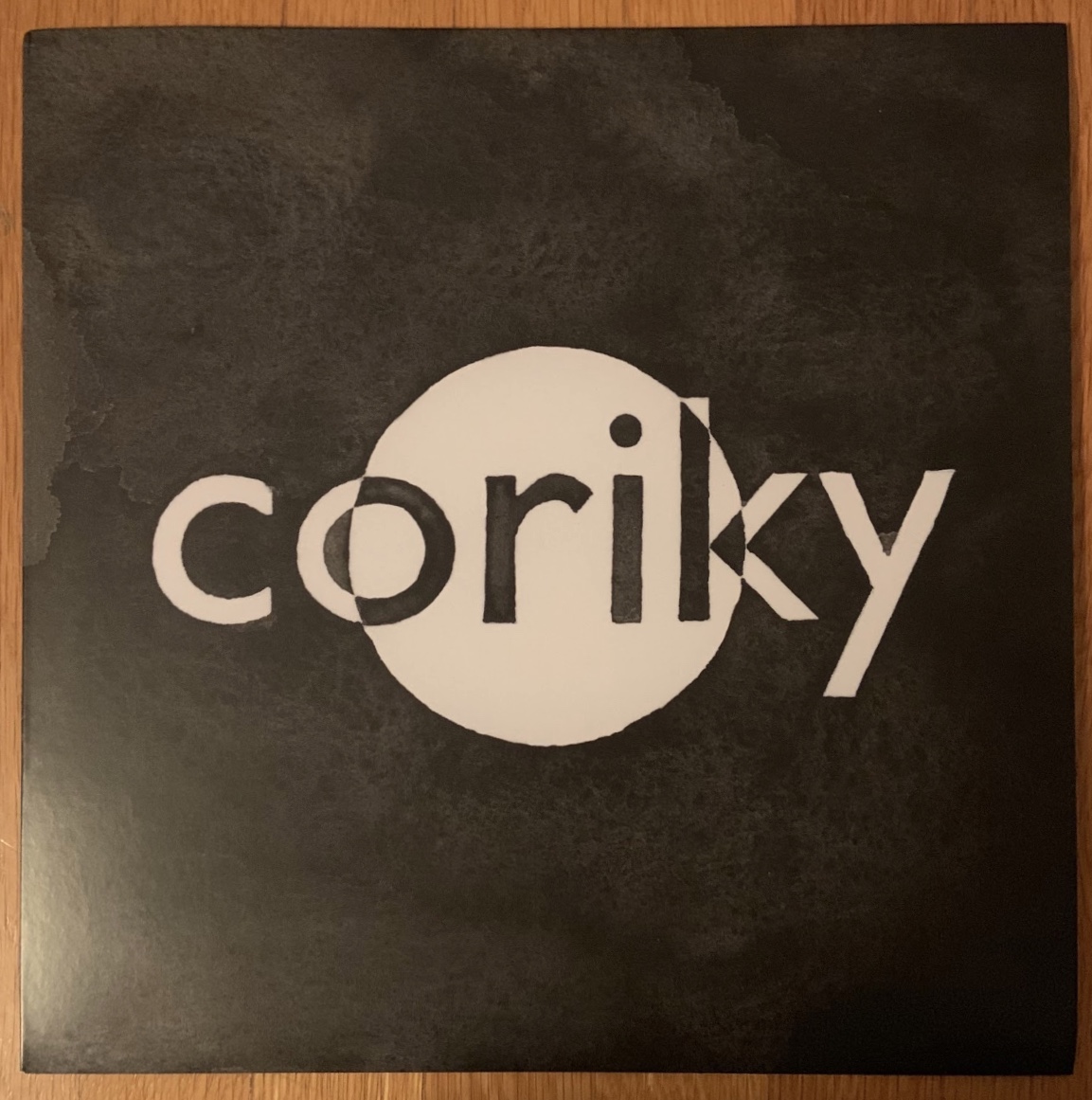
Coriky, S/T: I just got this, so I’m still figuring it out. Every time a new Fugazi album would come out I’d think, “Not digging this one!” and a month later I’d declare it a masterpiece that leaves the rest in the dust. This one feels so comfortable right away that I’m suspicious of it! I don’t trust my middle-aged self completely, but man oh man, it is making me so happy. Have a fucking cup of tea and just let it happen, Mars.

Linqua Franqa, Model Minority: I was in Athens, GA for the first time in nearly 20 years and I asked the clerk at Wuxtry what LP I needed from the current Athens music scene and he sold me this one. The record is both urgent and chill and Linqua Franqa has charisma to burn. She is one of those artists that you can’t understand why they haven’t conquered the world.


William Tyler, Modern Country: This is my reading music. It has drama and melody that keeps my brain buzzing and then it combines with the text I’m reading to create these aleatoric compositions that bring out new meaning. I listen to it and Impossible Truth over and over.


Beauty Pill, Please Advise: I’m so in the tank for Chad Clark it’s just embarrassing. I heard an early cut of Pardon Our Dust and it basically built a second home inside my brain. When the EP came out, the new revelation that bowled me over was the cover of the Pretenders’Tattooed Love Boys.” It has such an immediate, grab-you-by-the-collar clarity in the middle of a kaleidoscopic maelstrom of stereo panned beats and bleeps. I don’t know how he does it.


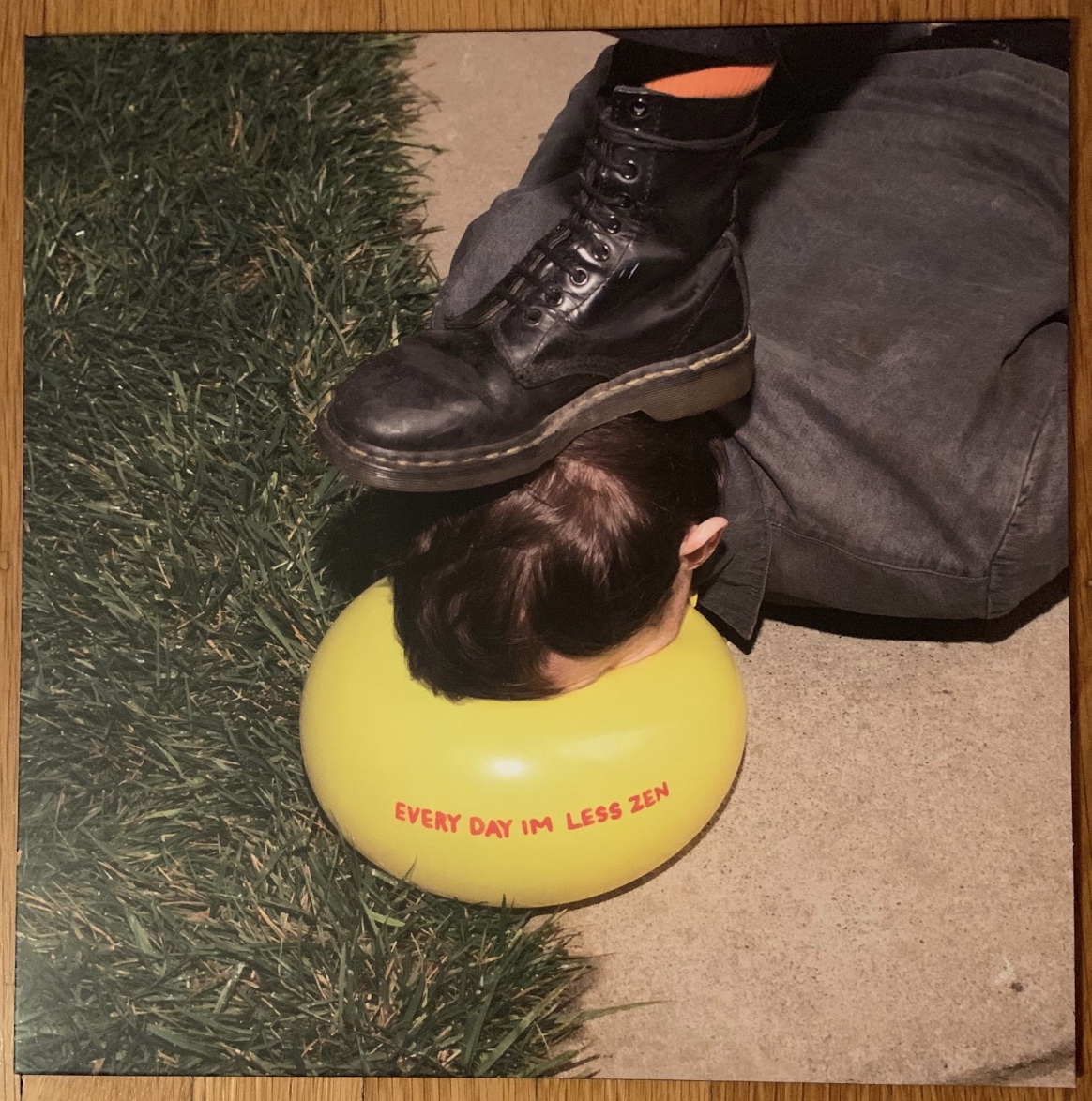
The Shutups, Every Day I’m Less Zen: This could be the greatest pop punk rock debut record of all time. I’m not being hyperbolic and I’m not using “pop” as a pejorative. They are not wasting your time. They are not resting on style. You can feel their confidence and competence. This is another one where I’m like, why aren’t you playing in stadiums to 20,000 screaming teens? I listen to it straight through when I’m boxing and it never lets me down.


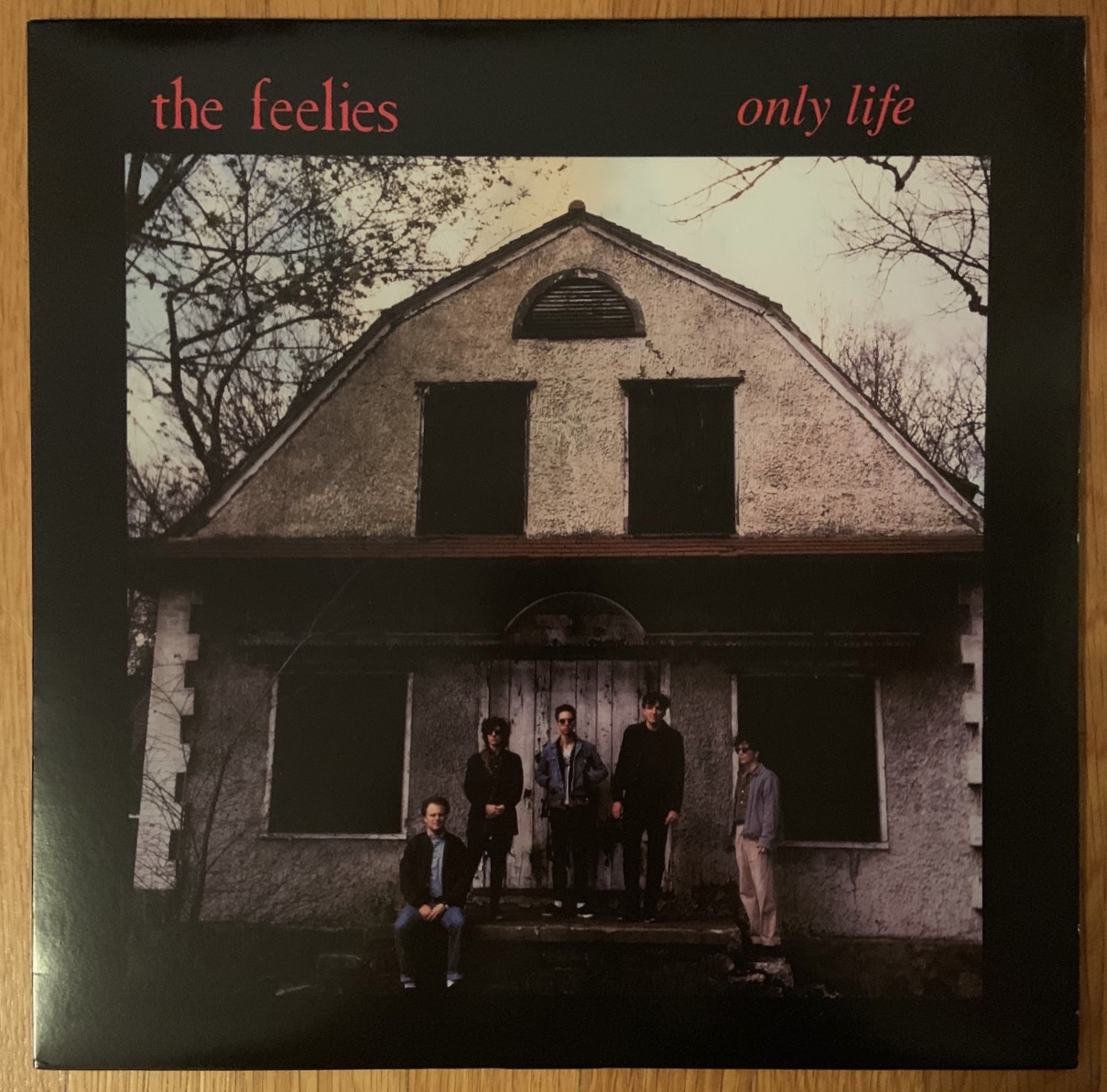
The Feelies, Only Life: Here’s the deal with this one: it’s not on Spotify or Bandcamp or anything.[footnote]The link in the title of this entry is to a YouTube upload of the album.[/footnote]I have the LP and that’s my only way to access it, so it’s on my record player more than any other piece of vinyl. It’s a candidate for one of the greatest records of all time. There’s not a single bad track, but it really excels as an album. There’s an art to creating the flow of an album and this one nails it. It’s best when listened to all together.

Day’s Plays Guest Post: Nicky Thomas


[You can hear Nicky’s music here.]


TV on the Radio, Return to Cookie Mountain: When the opening track of Return to Cookie Mountain kicked in on a recent drive to the woods I was overcome by a startling whoosh of emotion and longing for the time before. This album came out in 2006 and felt futuristic with its kaleidoscopic soundscapes and pulsating rhythms that build tension and release. Tunde Adebimpe and Kyp Malone’s vocals are filled with so much hope and pathos that I dare you to not cry when you hear David Bowie’s guest vocals in the mix on “Province”. What a pleasant surprise to discover that this album has held up to the test of time and risen to the challenge of now.


Linton Kwesi Johnson, Dread Beat an’ Blood: Linton Kwesi Johnson was recently honored with the PEN Pinter Prize which reminded me to revisit his music. While it’s easy to get lulled by the heavy bass and cooler than cool vocals there is so much more to this album and really all of LKJ’s work than just an easy breezy flow. This record is a timeless mirror on race dynamics, imperialism and violence. Just fill in “Margaret Thatcher’s on the go with the racist show” with you know who and the line is as true as ever today. LKJ once said that his poetry is just his way of seeing things. His lyrics speak as clearly to this moment in the United States as they did to 1978 England. Madness, madness, madness indeed.


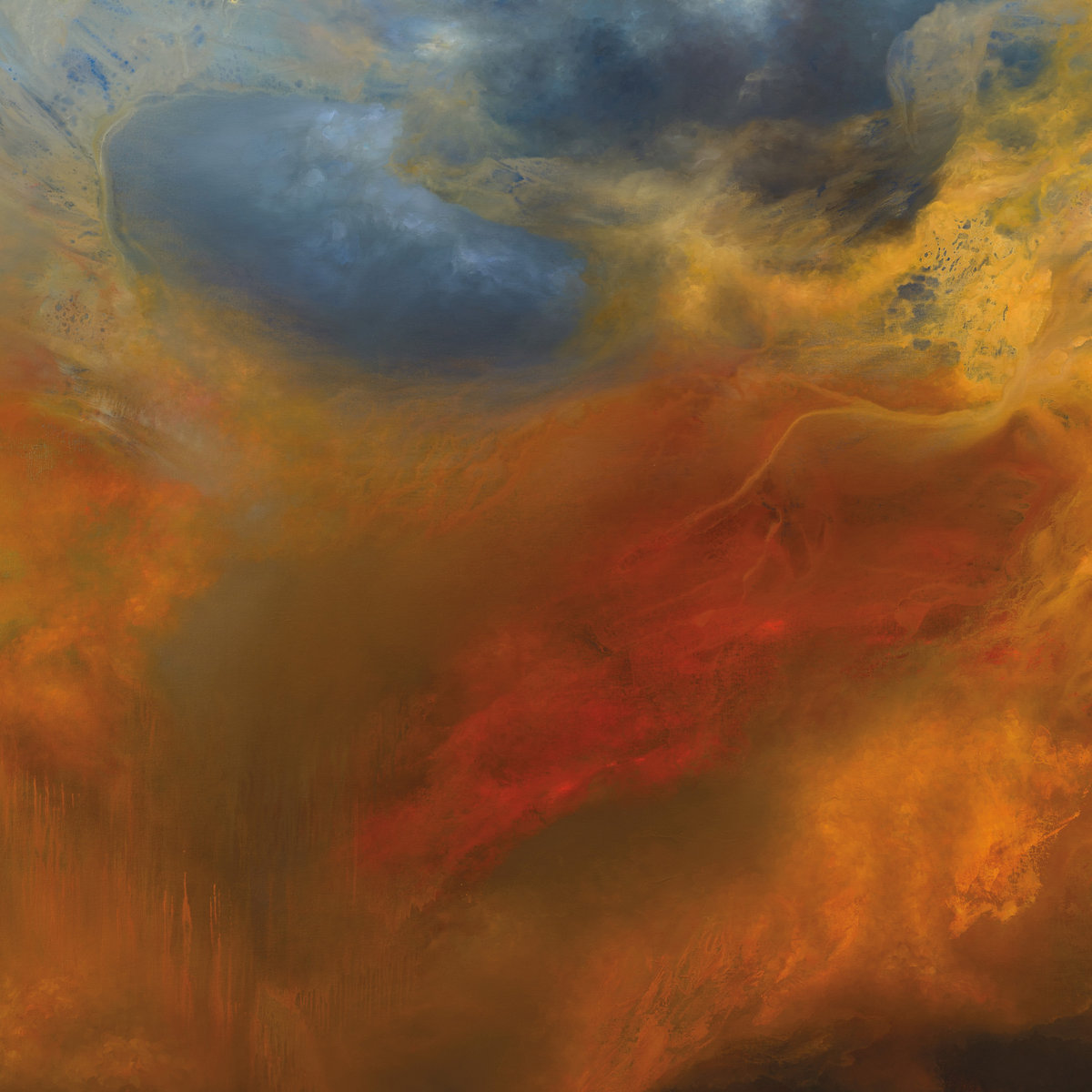
Sunn O))), Life Metal: I’ll admit Sunn O))) is an acquired taste but Life Metal might just be their most accessible album. I feel instant calm when the guitars on the first track “Between Sleipner’s Breath” start. This record requires that you slow down and give it time. Greg Anderson, Stephen O’Malley and company’s wall of sound are in deft hands with Steve Albini’s meticulous recording ethic. This album is about listening for the subtle tonal dynamics and melodic shifts. It’s a collection of songs that remind me to pay attention to the subtle changes in life. Luckily, I got to see them live in the fall of 2019 and the power of that performance is still percolating in my core.


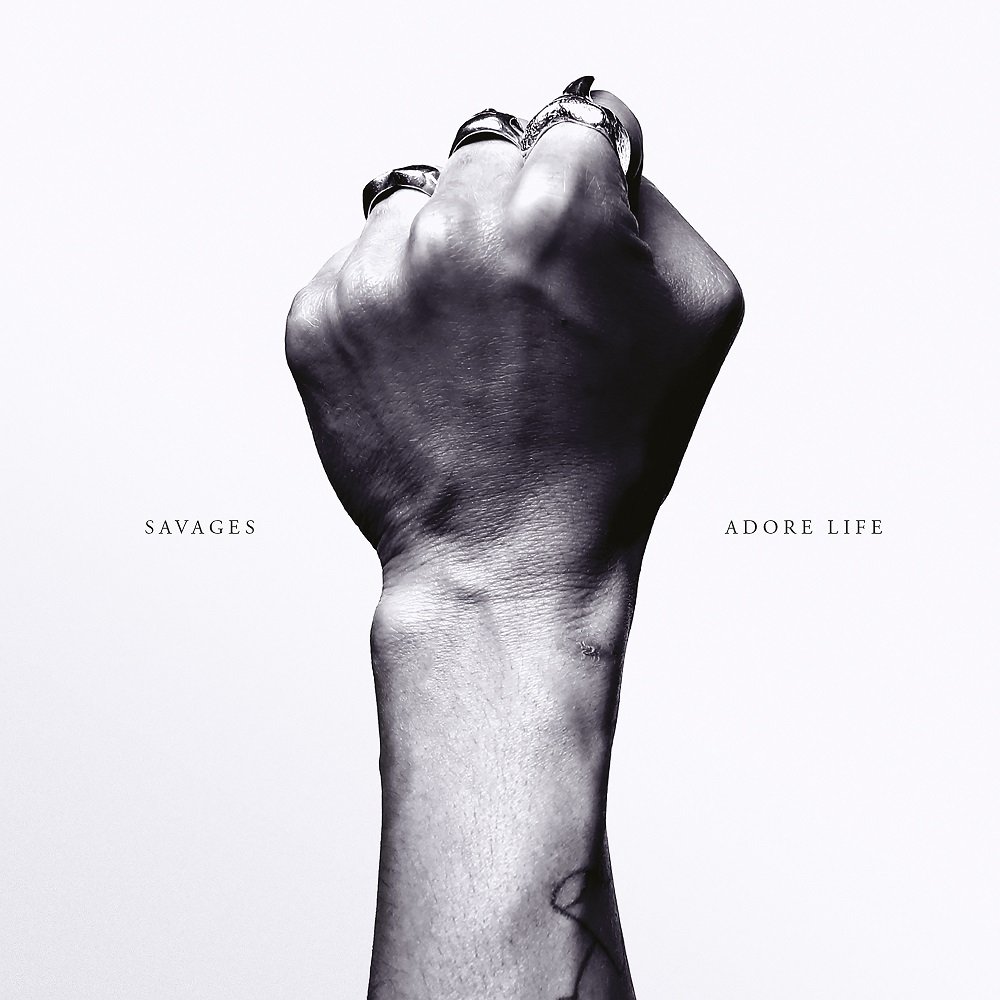
Savages, Adore Life: This record is the right mix of angst and edge. Adore Life, Savages second album was met with glowing critical acclaim and I would add that it too has stood the test of time — well, the four years since it was released which of course feels like 100,000 years ago. Simply put, this is music for screaming and crying into your pillow and don’t we all need a soundtrack for that right now.


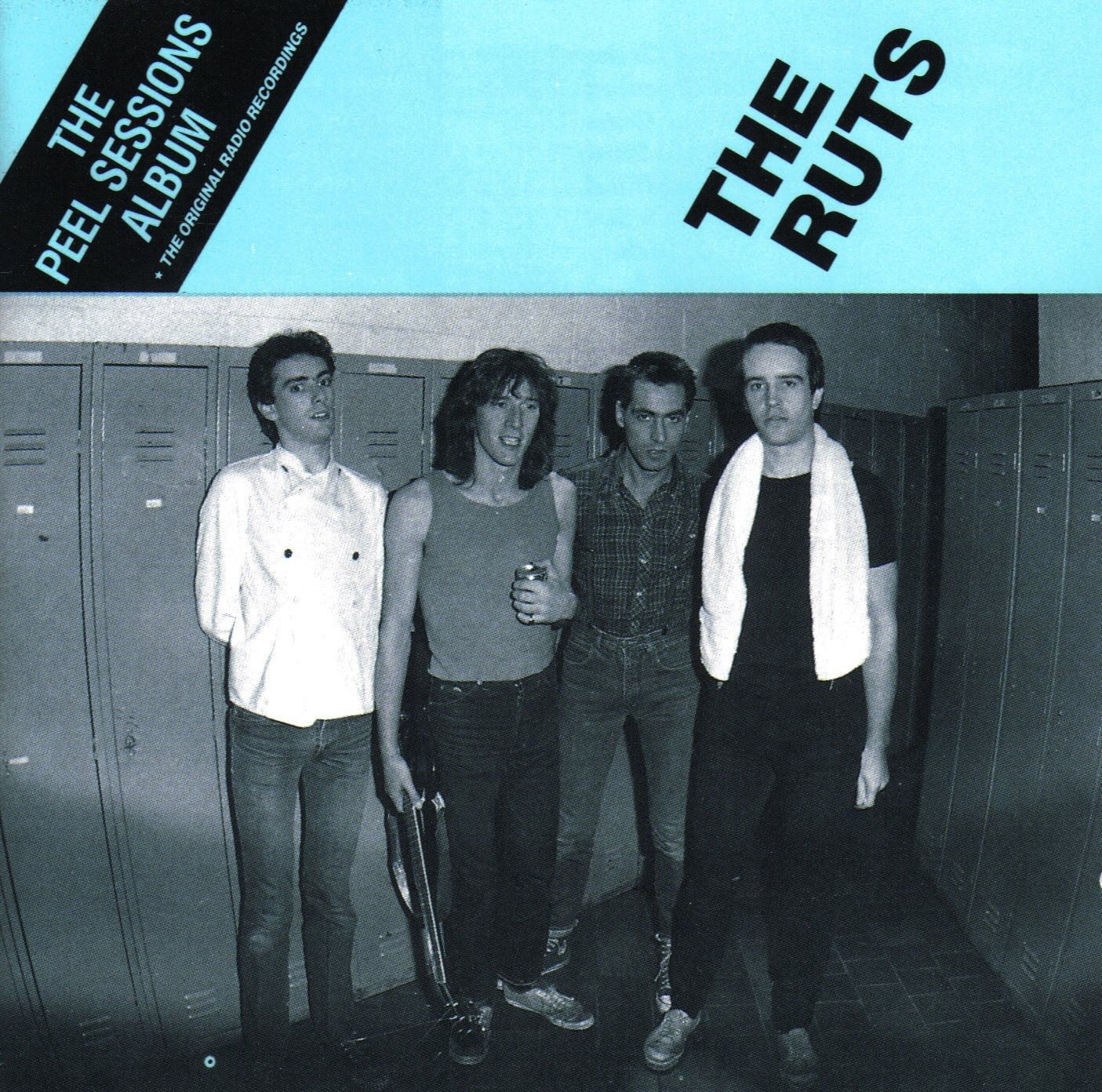
The Ruts, Peel Session (1979): The Ruts are so loveable that I’ve nearly worn out their full length album so I reach for the Peel Session like a cozy comfort blanket. Starting with the snarl of “S.U.S. [footnote]This is the studio version, not the Peel Session version of “S.U.S.”[/footnote]  and ending less than 15 minutes later with a breathless “Something That I Said,” the performance and production on the Peel Session are lively and intimate. They recorded two sessions, as The Ruts in 1979 and one as Ruts DC in 1980. All of them are fantastic. The late John Peel loved The Ruts and for that we should all be grateful.


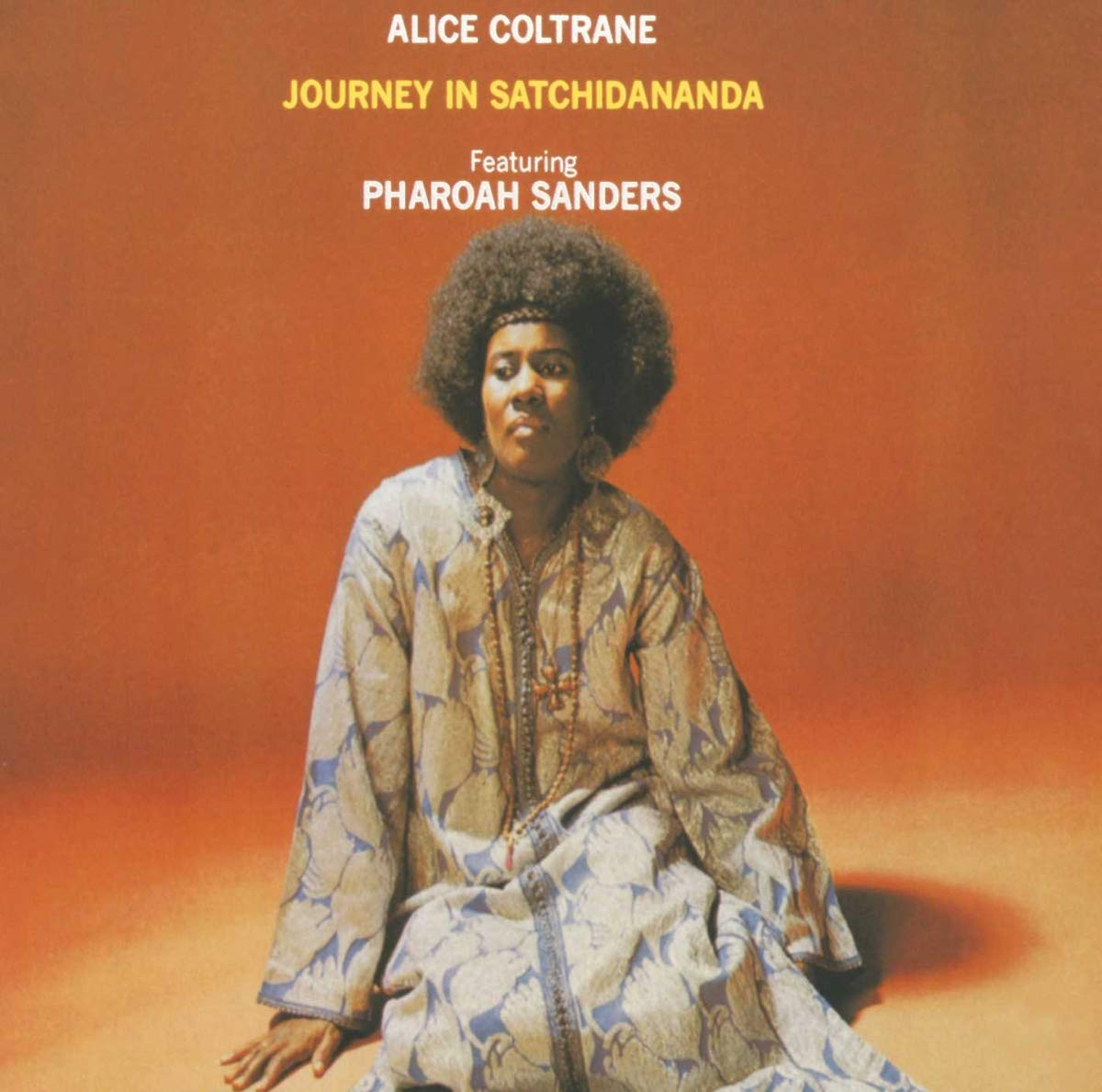
Alice Coltrane, Journey in Satchidananda: For obvious reasons I’ve been thinking about escape a lot these days. I head to the coast as often as possible to be reminded that at least the waves and the endless expanse of the ocean is certain. This record gives me that same feeling.  Alice Coltrane with Pharoah Sanders, Cecil McBee, Charlie Haden, and Rashied Ali have been taking me on journeys of the astral plane for decades now. Each listen offers a new understanding of how this record is begging the listener to move into an Afro-futuristic world where the imagination is revered and there is room to breathe. It gives me hope that someday we will get out of this mess and move into the beyond.

Day’s Plays Guest Post: Sohrab Habibion


[You can hear Sohrab’s music here, here, or here.]


At one point I’d pulled out recent records that various friends have made, as I thought it’d be nice to give a nod to fellow travelers (Contractions, FACS, Grey Hairs, Green/Blue, Mint Mile, Paramount Styles) still at it in this eternally rewarding and thoroughly absurd pursuit of making music. Then I considered it might be more representative of what I listen to if I picked out albums from different genres of music. As I flipped past the Bangles effervescent self-titled EP from ’82 to get to Jorge Ben’s A Tábua De Esmeralda, my favorite if not gentlest Ben, though you really can’t go wrong with any of the first 16 or 17 of his LPs (an insane feat even by, I dunno, Duke Ellington standards?), my eye caught the stack of records I’d listened to most recently and had yet to put back. Truth being valued at an all-time low these days, I figured I’d bet the odds and just go with what was already in front of me. So here are the 6 records [footnote] In case you want to run through these records all at once, here’s a Spotify playlist Sohrab put together for us.[/footnote] I’m about to tuck back into their alphabetized bunkbeds . . .


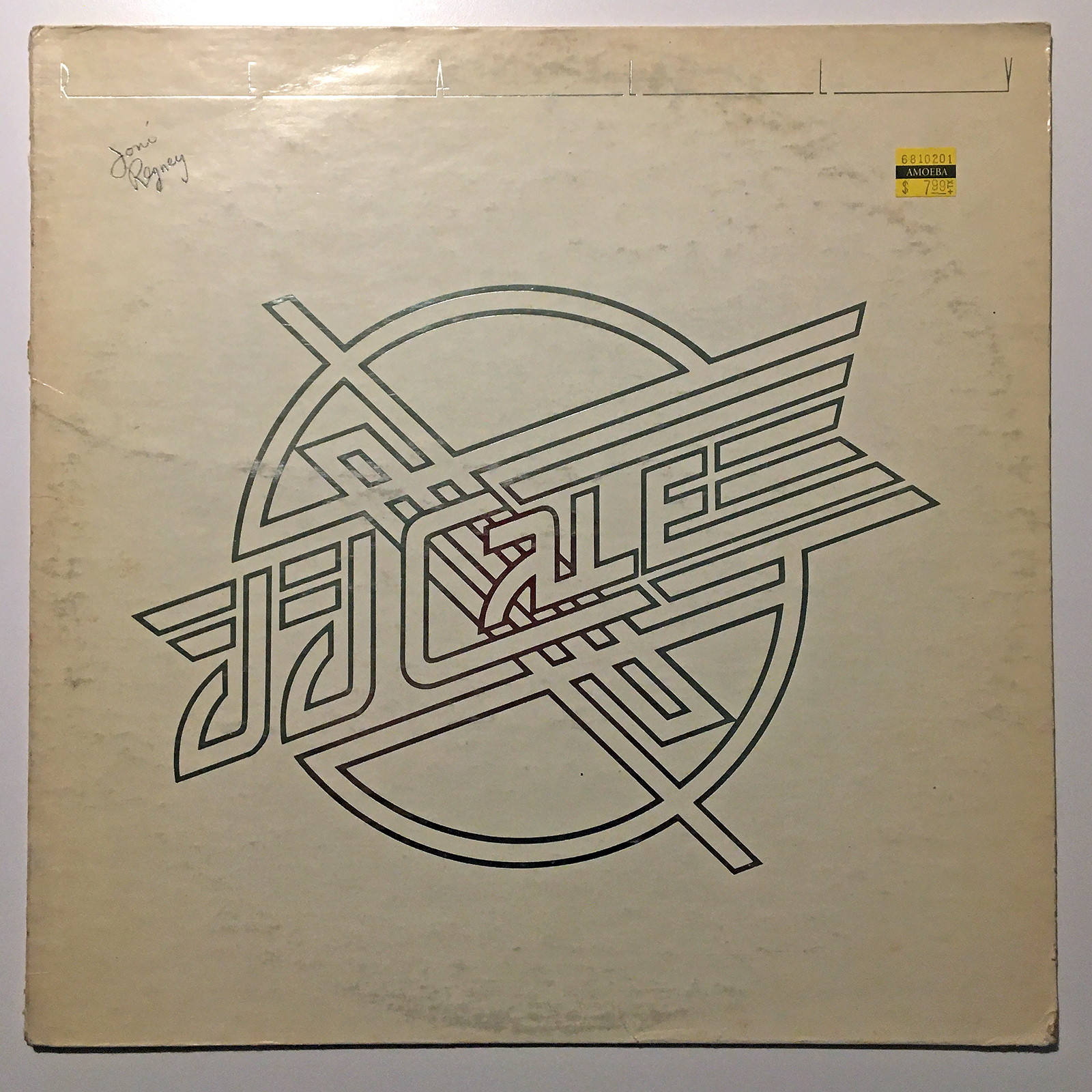
J.J. Cale, Really (1972): Do you like J.J. Cale? I feel like he gets unfairly lumped in with some unflattering company due to his elbow rubbing with Slowhand. As if it’s music for dudes whose domestic lager bellies carve out a ketchup-catching crease in their Lou Gramm/Asia/The Guess Who/Foghat monster jam tour tees. And, sure, there’s some guitar wangling that could be accompanied by the classic, dyspeptic, fret-tickler face. But it’s J.J. Cale’s voice that sets the tone. And often his songs are just single riffs that percolate for a few minutes in a state that’s simultaneously woozy and articulate. There are few things I enjoy listening to after, yes, midnight more than a tune like “Right Down Here.”
(YouTube)


Neu!, Neu! (1972) : For rockers of a certain age it seems like there’s music made before having heard Neu and then everything that follows. The perfect 10 minutes that is “Hallogallo,” which opens this album, sets a pulse for floating into the astral plane. It’s as if you’re suspended at the horizon line while the sun slowly sets over some distant ocean. But what I love about Neu is that the gearshift is not only set for motorik monotony. For every cruise-control “Hallogallo” there’s a happily-lost-in-the-weeds “Sonderangebot” that wiggles and swells and bzzznrrrffs for 5 minutes. It’s a transporting soundtrack to familiar stories that never repeat themselves.
(YouTube)


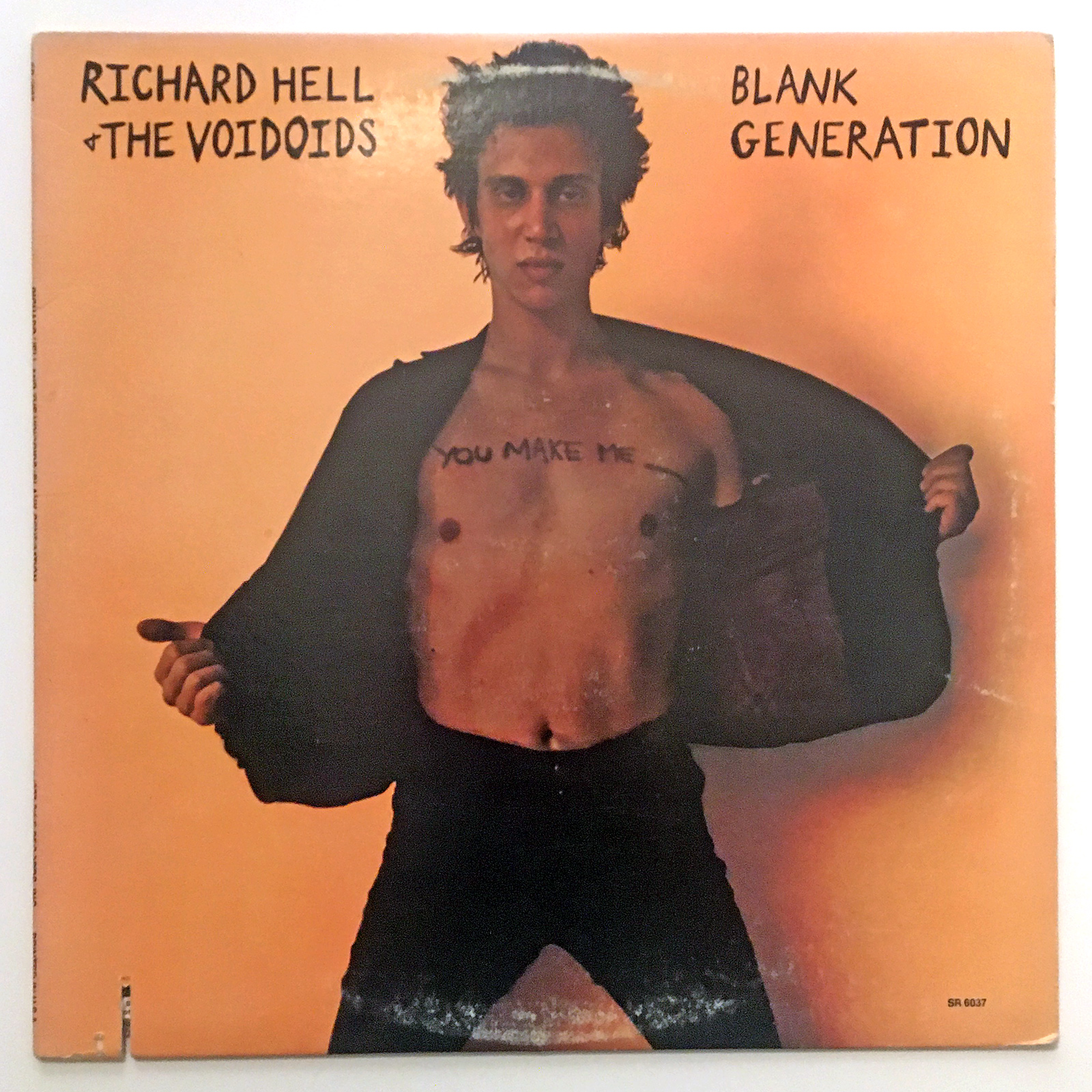
Richard Hell & The Voidoids, Blank Generation (1977): Late to the party on this one. I got caught up in the hallway chatting with Tom Verlaine and Richard Lloyd, not realizing that just over the threshold, causing a real ruckus in the kitchen, were Ivan Julian and Robert Quine. The electric guitar is a curious instrument. Often misused as either a brutality-dispensing cudgel or in very corny displays of masculine gallantry in 20th century suburban mating rituals, it turns out this apparatus can be exquisitely expressive in the hands of the right reject or urchin. Julian and Quine take familiar vocabulary from 1950s rhythm and blues narratives and literally strangulate the last bit of life out of them. It’s exhilarating. And the songs are catchy as heck, with Mr. Hell alternately snarling in the corner or strutting past with his chest bare and heaving with syllables.
(YouTube)


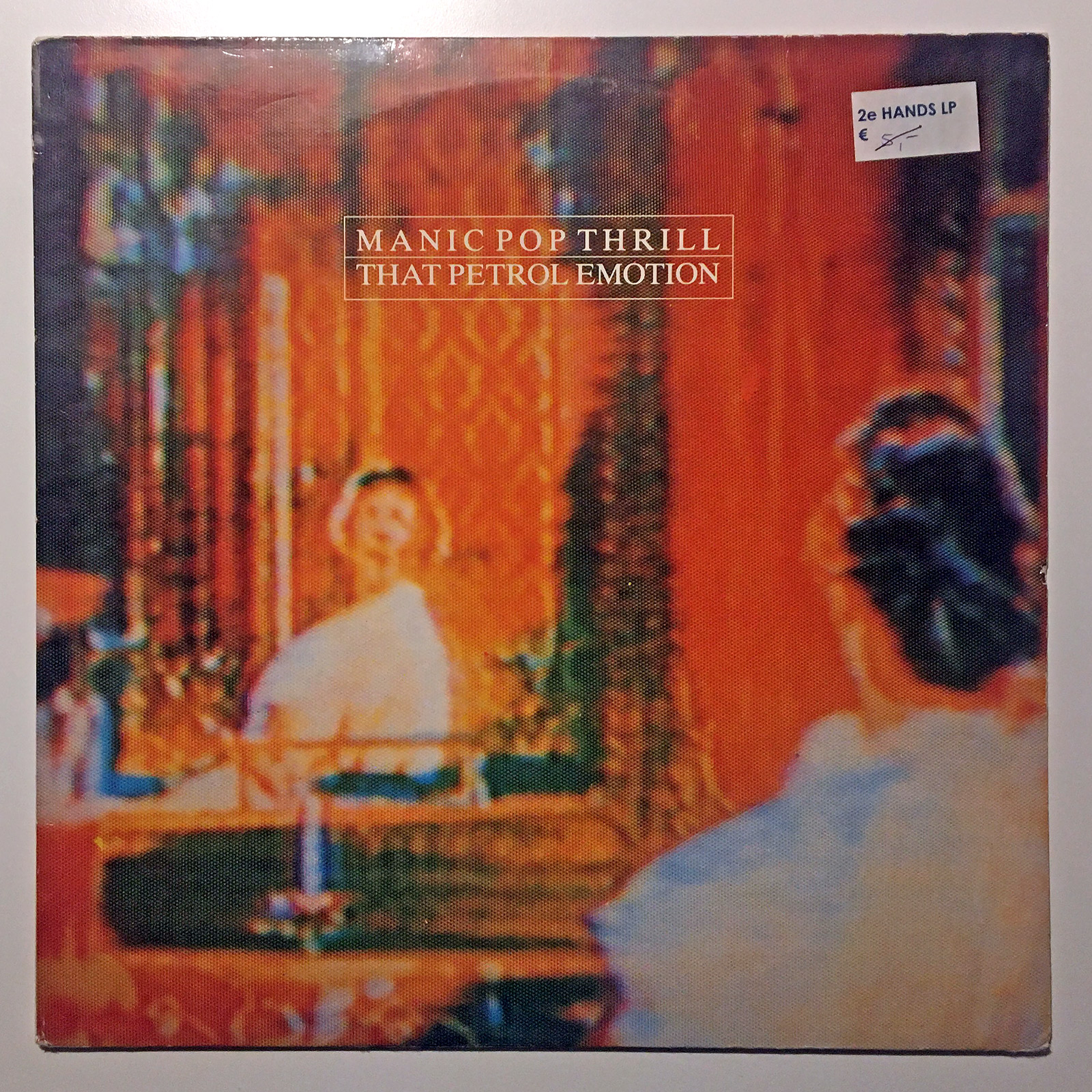
That Petrol Emotion, Manic Pop Thrill (1986): Sometimes album titles are poetic in their abstract relationship to the albums they adorn. Not the case here. As advertised, these 12 songs are delightfully crammed with hooks. The two guitar patterns intertwine over a throbbing rhythm section. And even when things slow down there’s a piercing urgency present. This record would be the perfect flip side to Echo And The Bunnymen’s Crocodiles on that C-90 you’re getting ready to mail to your cousin in Denver. Searing, capacious and endlessly melodic. While each of their later records have great songs on them, the production often falls into the trap of drums-and-vocals-BIG-n-LOUD, which maybe satisfied 90s alt-radio music director fantasies, but is the audio equivalent of what Pepperidge Farm does to baked goods.
(YouTube)


Träd, Gräs Och Stenar, Djungelns Lag (2016): Be forewarned: a bunch of stinking hippies occupy four full sides of why-nils here. All recorded live in Sweden and Norway in 1971/1972—no doubt the shows were herbal healing experiences for Scandinavian söner och döttrar exhausted by decades of sleek, minimalist design. They let it all hang out here. Mouth harps, fiddles, tambourines, a choogle of riffage riding wild into the North Sea on a Crazy Horse. I’m not into hippies, though. I’ll gladly gorge myself on food coop tabouleh while I shake my fist at the man, but the Grateful Dead overcook their bulgur wheat into a soggy mess and all the baggage that’s nestled into the matted fur of those rainbow dancing bears on the bumpers of Tesla Model 3 luxury sedans is just too much. So why is Träd, Gräs Och Stenar exceptional? I’m not sure how, but they manage to sidestep the cliches. Like Dead Moon or Fugazi or Can or late-period Talk Talk, they have created their own inner language and listening in feels voyeuristically exciting. Then before you know it you’re lost on a tangent and twenty-odd minutes have passed. I got to see them play last year and it was affirming in the way that seeing The Ex live is affirming. Zero affectation, zero rock’n’roll silliness, zero ego. Pure, universal id.
(YouTube)


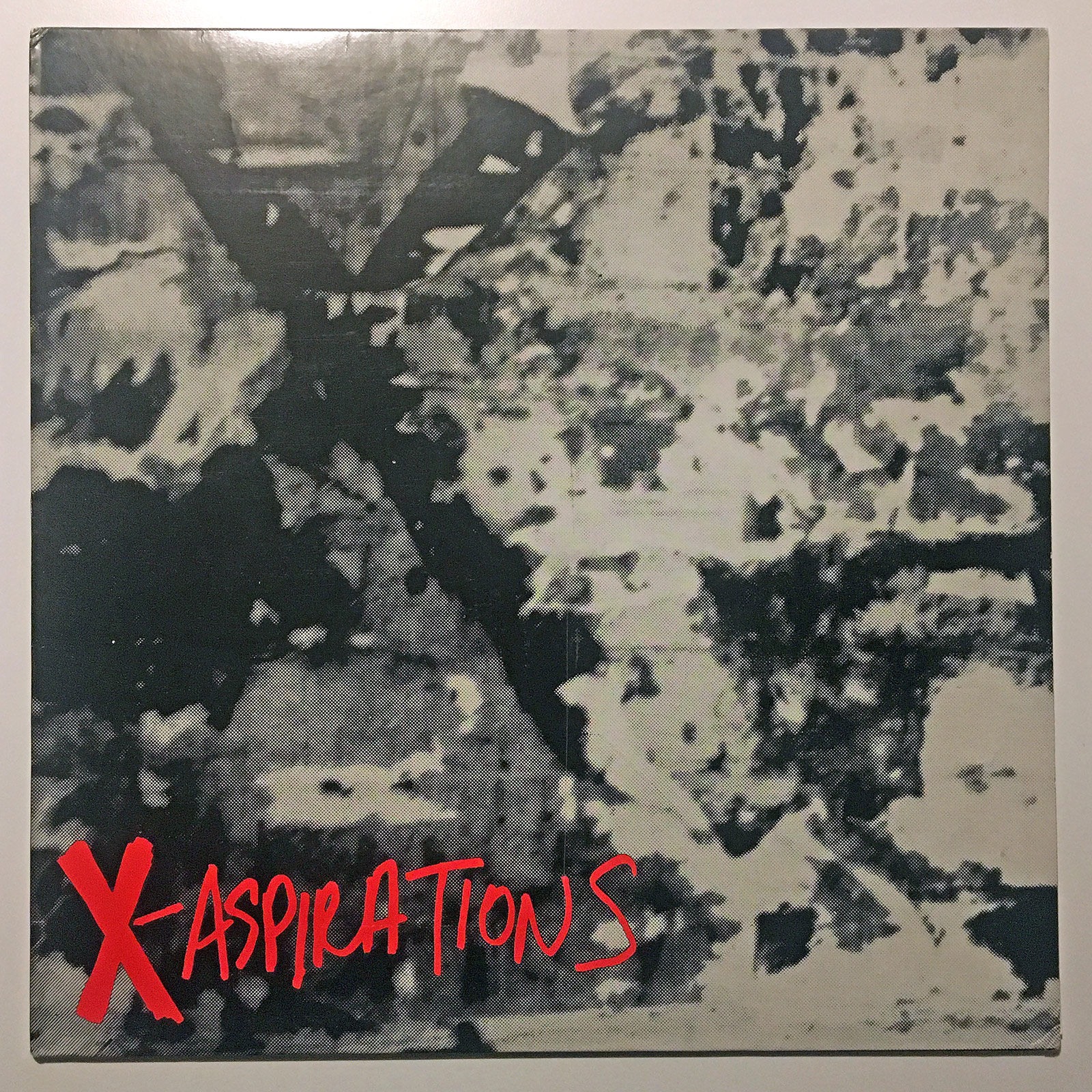
X, Aspirations (1980): I think the first Australian punk bands I heard were The Celibate Rifles and Lime Spiders. Or maybe the Hard-Ons? Then The Birthday Party, for sure. It wasn’t til later that I devoured The Saints, The Scientists, Radio Birdman, let alone Feedtime or The Victims. For some dumb reason X, like the first Sunnyboys album, totally escaped me until maybe 10 years ago. I’ve tried to make up for lost listening time by playing this record as often as possible. It lurches, it cracks, it ducks and jabs. The rhythm section impressively predates what I could easily mistake for being an early 90s band on Touch and Go. But the guitar has that unmistakable, period-perfect rock’n’roll, chugging downstroke and slightly out-of-tune Chuck Berry note buckling. Meanwhile the vocal has a growl that sticks out like the arm on a Heisman Trophy, sweetly countered by the occasional deadpan backing vocal. This is the record you might find me jumping on my parents’ couch in my underwear to.
(YouTube)

Day’s Plays Guest Post: Kenichi Hoshine


[You can have a look at Kenichi’s work here.]


Palace Music, Viva Last Blues: I love all of Will Oldham’s various projects/monikers/identities, but this album is one of the stand outs in that it’s a solid listen from beginning to end. It’s one of those rare albums that you don’t skip any songs and you can just listen to it from beginning to end. The lineup of his backing band on this album is wonderful as well.


Rex, Waltz: This was a great EP released by the band Rex. It’s a slow, swell of emotions and has the feel of a smouldering fire. I found out about this band because the drummer, Doug Scharin, also played for Codeine and June of 44.


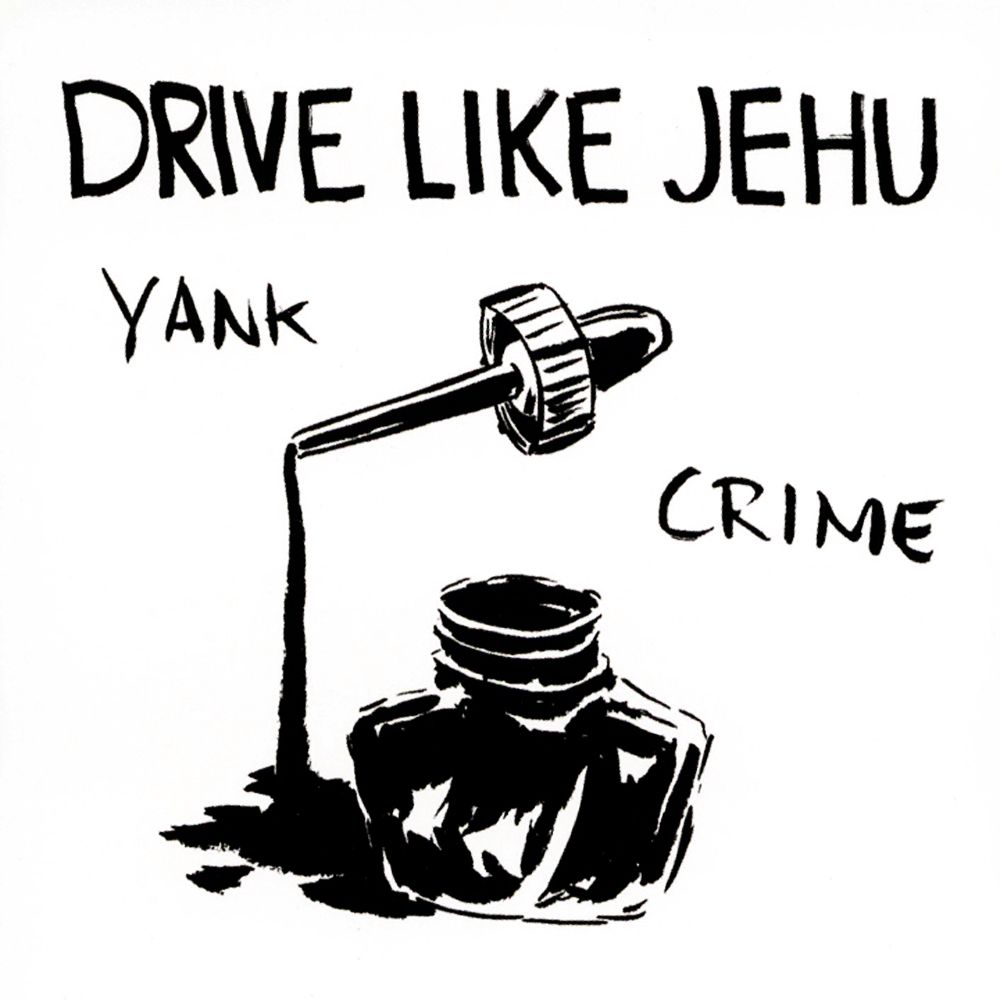
Drive Like Jehu, Yank Crime: A legendary band from the San Diego scene. I believe I found out about them after I heard Rocket From The Crypt. High energy, screaming vocals, and well-structured songs. You can’t go wrong. I can never understand what Rick Froberg is singing about, but that’s part of the charm.


John Fahey, Death Chants, Break Downs and Military Waltzes: Not much to say about John Fahey. Legendary super talented guitarist and musician. He can make a single guitar sound like a full band. So brooding and so good.


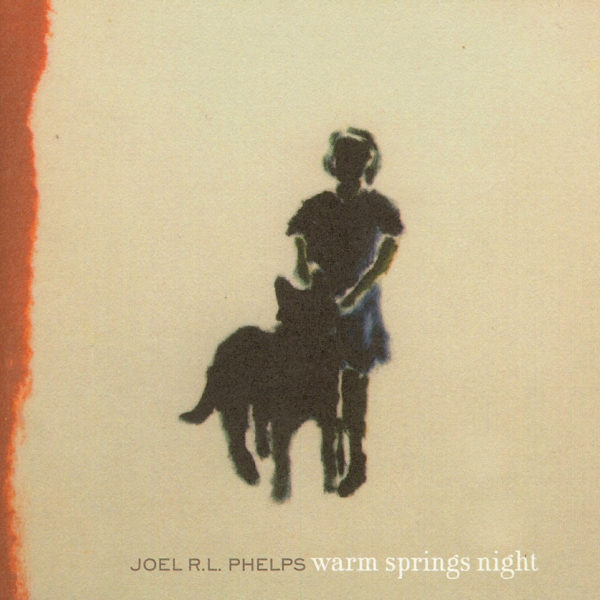
Joel R.L. Phelps, Warm Springs Night: Joel was a member of the band, Silkworm. His solo project with the backing band, The Downer Trio, is very moody and is a gut punch of emotions without coming off as too saccharine. All of their albums are incredible, but I chose this one because I believe it was the first one I purchased by them.


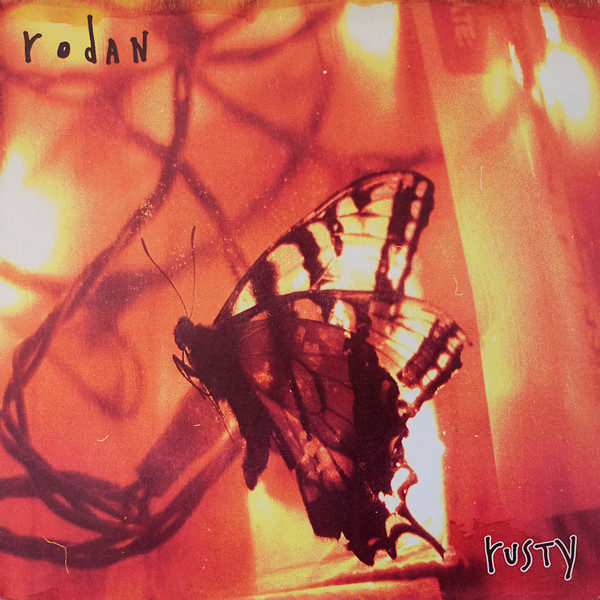
Rodan, Rusty: An incredible band from the Louisville, KY scene. One of my all-time favorites. They released this one incredible album and they were gone. Rodan produced a lot of wonderful off-shoot bands like Rachel’s, June of 44, and Shipping News. The songs are complex and incredibly layered. I wished that they had released many more records.

Day’s Play Guest Post: Jonathan Cohen


[You can learn more about Jonathan here.]


Hum, Inlet : Few things satisfy me more than giving a signal boost to bands I love but who forever reason never got the due they deserved during their lifetime (Jawbox, I’m looking in your direction. BTW, thanks for reuniting in 2009 on the TV show I was booking and see you on the road in 2021!). Hum is definitely one of those bands. A few people still remember them for their ’95 one-hit-wonder “Stars,” but they were dreadfully misclassified at the time as Pumpkins/Nirvana wannabes and in general they remain criminally underappreciated for their heavy/stoner-friendly Midwestern shoegaze vibes. Inlet is their first studio album since 1998, and after 22 years, the band has delivered eight sprawling new songs that thankfully feel and sound like they never left. Here we have big, drop-D riffs galore to inspire some dad-bod headbanging (the aptly named “In the Den”), expansive tracks that morph from Isis-like sludge to reverb-y bliss (“Desert Rambler,” which seems to be about a slow descent into an alien planet) and concise, punchy rockers that flash us right back to “120 Minutes”-era alt-rock (“Step Into You,” “Cloud City”). If you ever tripped out to Failure, Swervedriver or pre-“Bittersweet Symphony”-era Verve, methinks you will love Inlet. Welcome back, fellas.


Bitch Magnet, Bitch Magnet: Continuing on the same tip as above, Bitch Magnet are another crucial missing link in the lineage of 90’s American indie rock, deftly straddling the post-Hüsker Dü underground and the emerging math-y malevolence of Slint, Rodan, Bastro and Shellac. The group only lasted a couple of years (1988-1990), with frontman Sooyoung Park going on to form the beloved Chicago sadcore band Seam. Previously almost impossible to find, Bitch Magnet’s entire catalog was reissued by Temporary Residence Ltd. in 2011 as individual albums as well as on this three-disc set. Maybe I’m not looking in the right places, but I can’t find any current/new rock bands that please my ears quite like this. Favorite jams: the 9-minute slap to the head that is “Dragoon,” the 154 second live wire “Mesentery” (the best Spiderland track that never was?) and the major-key “Motor,” which shares the scruffy energy of early Superchunk.


Kokoroko, Kokoroko: This London-based octet is led by the amazing trumpeter Sheila Maurice-Grey, and its music is the closest thing to Expensive Shit-era Fela Kuti that I’ve heard in a long time. “Adwa” and “Uman” are the kinds of songs I am absolutely desperate to dance to alongside actual other humans in an actual club, their delicious bass-and-drums grooves tickled with perfectly placed horn melodies. But the four songs on this self-titled EP aren’t just about the funk. “Ti-de” is a gentle comedown reminiscent of fellow innovative instrumentalists Khruangbin, while “Abusey Junction” sprinkles in a touch of dub bass and bongo drums for a breezy island feel. Highly recommended for a momentary escape from … well, you know.


Jo Johnson, Weaving: Remember the early ’90s British riot-grrl band Huggy Bear? Good – neither do I. I’ll tell you what is memorable, though: Weaving, the debut album from Huggy Bear guitarist Jo Johnson, which is one of my favorite electronic releases of the past five years. Weaving is informed equally by the hypnotizing minimalism and repetition of 20th century classical pioneers Steve Reich and Arvo Pärt as it is by synth-powered New Age bellwethers such as Tangerine Dream. The result is five uncommonly immersive soundscapes that will stretch your brain in a different way each time you listen. On opener “Ancestral Footsteps,” arpeggiated progressions ping side to side and are slowly overtaken by synth drones and fuzzy mechanized beats. “Music For 18 Musicians”-style phasing propels the 9-minute title track, while the pseudo-dulcimer tones and cheery melody on “Words Came After Music” evoke mid-period Tortoise on a Gamelan odyssey. Chilly vibes turn invitingly warm on “In The Shadow Of The Workhouse,” another lengthy piece which evokes the wonder of deep space and other assorted conundrums of humanity. Closing track “Silver Threads” brings things back to Earth, its formless ambiance suddenly congealing into a sparse but danceable beat that wouldn’t sound out of place in a Plastikman set.


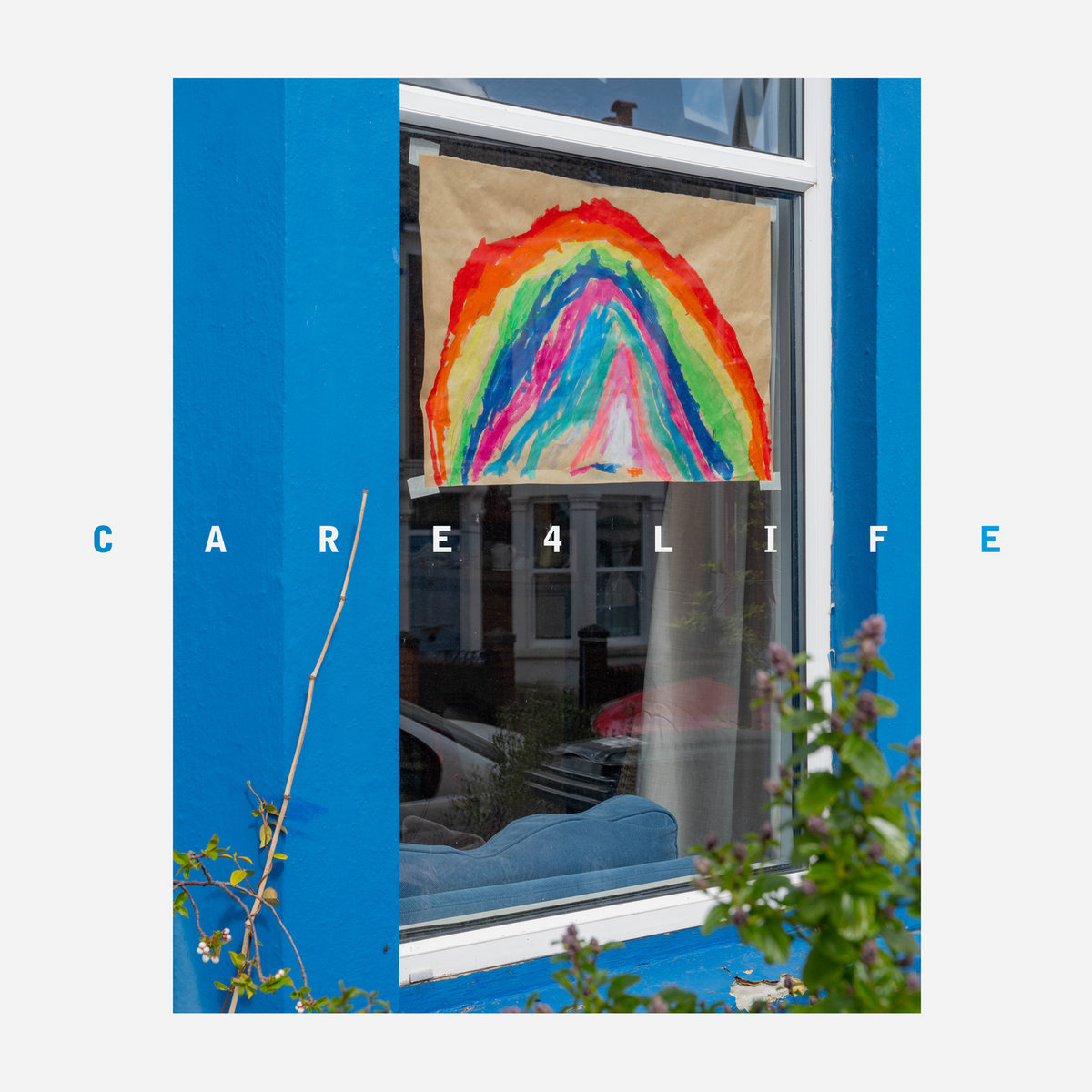
Various Artists, CARE4LIFE: Proceeds from this new 45-track compilation benefit essential and frontline workers from the U.K.’s National Health Service, and the contributors are a who’s who of electronic artists encompassing a welcome breadth of styles and sub-genres. B.Trait’s “Rest” gets things off to a soothing, Eno-ish start, but from there, the BPMs stay consistently peppy. “Workin’” has the kind of smiley, Hot Chip flavor we have come to expect from that group’s Cosby sweater-loving Joe Goddard, Luke Vibert’s “That’s Ill Folks” splatters chopped-and-phased synths atop his signature beats and the ping-pong programming of Maya Jane Cole’s “Keep It Moving” makes me (sort of) miss the Coachella dance tent. A few other highlights: Chris Clark ditching his MacBook for acoustic guitar on the hilarious Syd Barrett sendup “Laptop Stand” (“EasyJet won’t let me take my vinyl on a flight / Fabric booked me all the way from 1 a.m. ’til 5”), the Basement Jaxx boom-bap of Patrick Topping‘s “Totality” and the classic techno of Laura Jones and Karousel’s “No Borders,” which kind of reminds me of Coldcut’s “Plastic Man” without the samples.


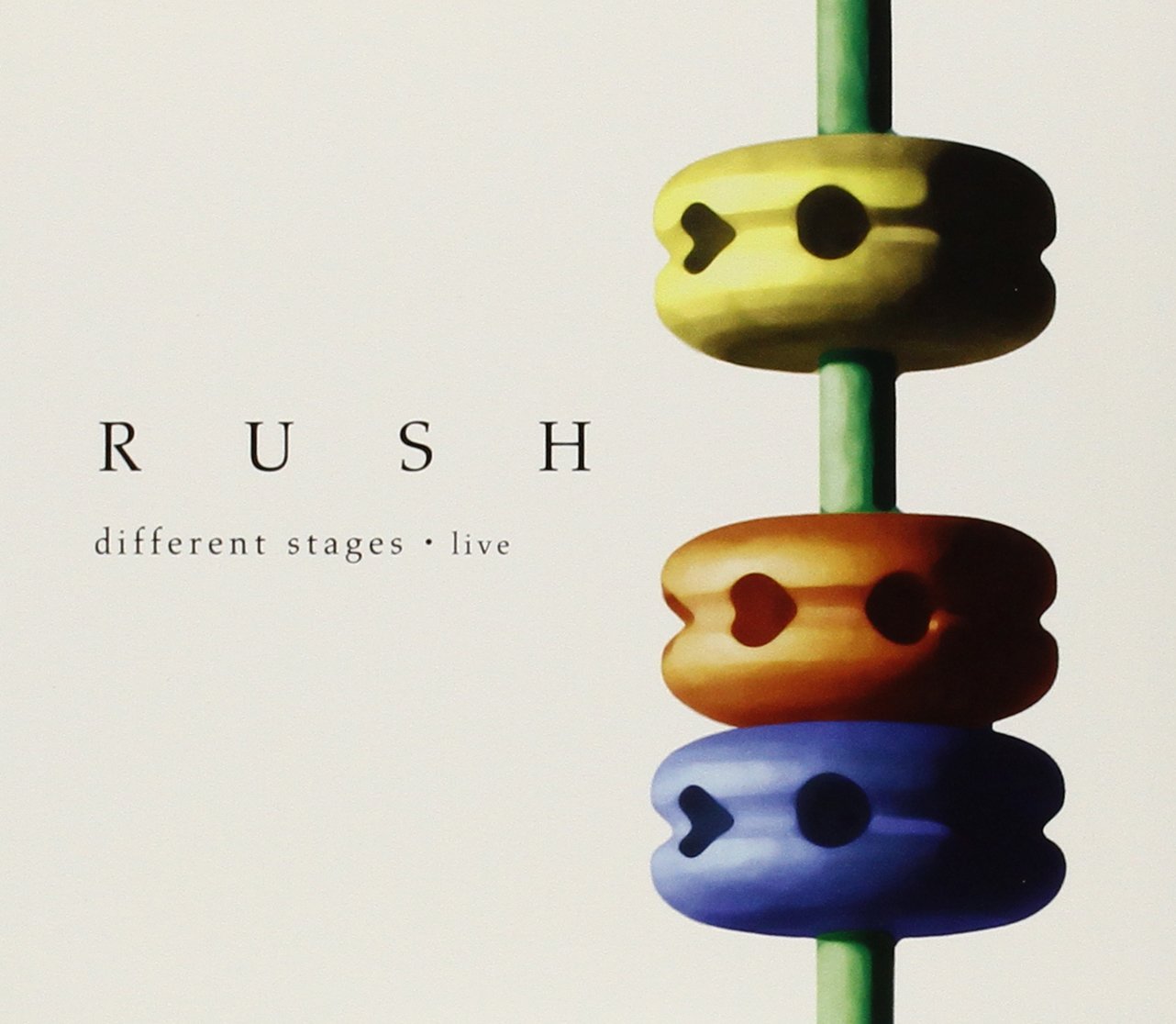
Rush, Different Stages: Like most Ohio males growing up in the 1980s, I enjoyed my fair share of Rush (and was subjected to a fair amount of friends wanting to play “Tom Sawyer” for me on their basement drum sets). But my love for the band really only blossomed around the release of this 1998 triple-disc live collection, primarily recorded outside Chicago the year prior. I’m not a huge fan of Test for Echo, the album they were promoting at the time, but I will forever go to the mat for its 1993 predecessor Counterparts, the closest Rush ever sounded to a grunge band. That album’s “Stick It Out” is an absolute beast here; throw Chris Cornell’s vocals on top of the instrumental, and you’d have one hell of a Soundgarden song. The Counterparts instrumental “Leave That Thing Alone” has a nice blend of everything these three guys do best, from Neil Peart’s exotic percussion accents to Geddy Lee’s zig-zag bass melodies to Alex Lifeson’s planetarium light-show guitar solo. I quibble with the omission of “Red Barchetta” and ’80s chestnuts like “Time Stand Still,” but alongside excellent versions of war horses like “YYZ,” “Freewill” and our old pal “Tom Sawyer,” we get the only officially released live performance of the complete “2112” suite. Miss you, Neil.

Day’s Plays Guest Post: Norman Brannon


[You can check out Norman’s work here.]


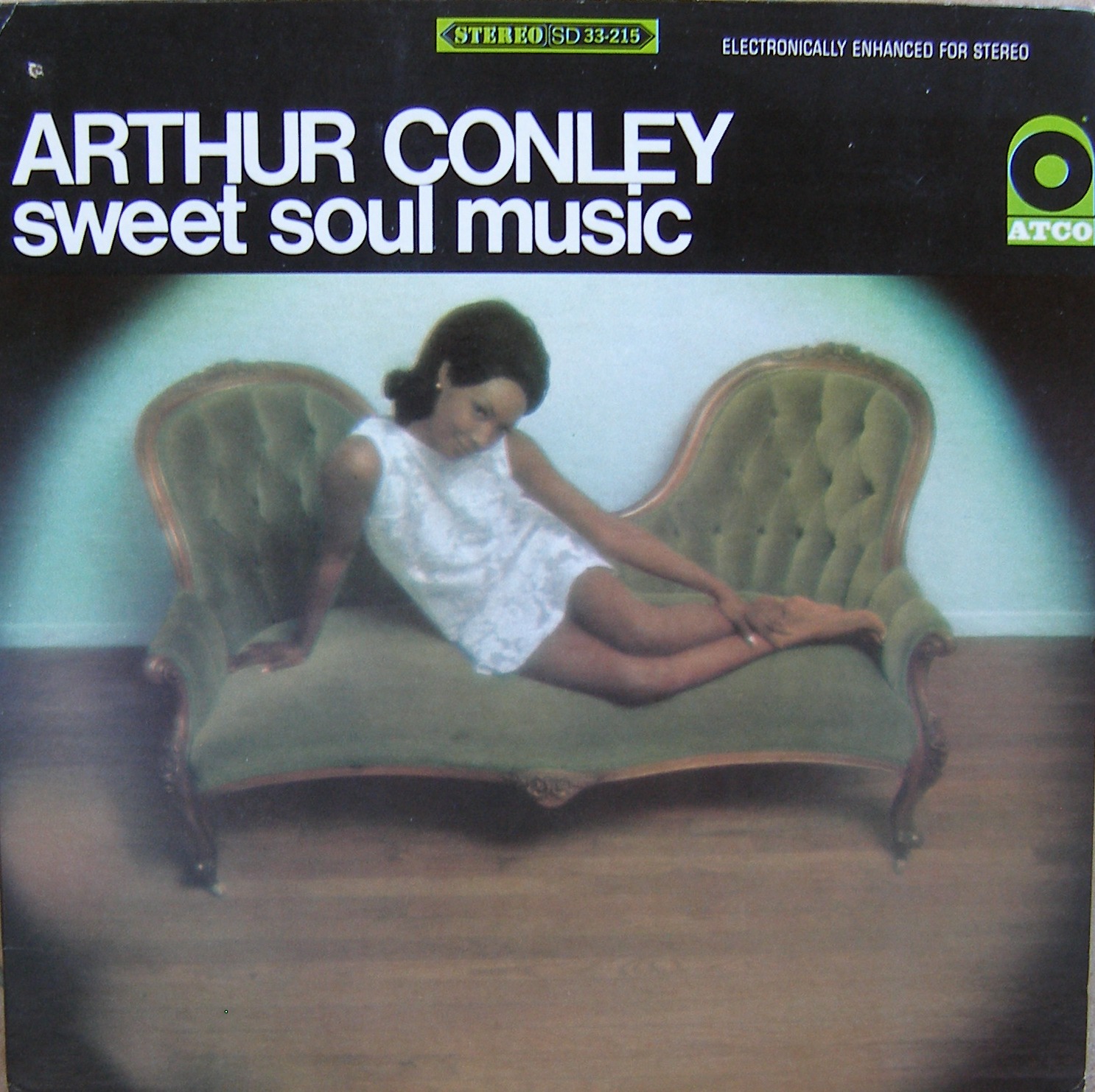
Arthur Conley, Sweet Soul Music: I think about Arthur Conley a lot. Most people at least know “Sweet Soul Music,” the international hit single he co-wrote with Otis Redding, but the entirety of his 1967 debut album — also produced by Redding — had a darker vibe: Songs like “Take Me (Just As I Am)” and “I’m a Lonely Stranger” hinted at the struggle underneath. Conley eventually rejected his success, legally changed his name, and moved to the Netherlands where he felt he could live openly as a gay man, and I guess I think about him a lot because I always wonder how things might have ended differently if he’d just felt free.


Ayelle, NOMAD (Mixtape): I was always a fan of minimal techno — from Basic Channel to Force Inc. — so when minimalism started moving into pop music, I was all in. Ayelle is a Swedish-Iranian singer who  lives in New York, and from my vantage point, she is committing to this style like it’s some kind of cult. Every track on this mixtape relies on her vocal to the extent that the songs feature very little else besides a strong beat, some sub bass, and ethereal keys. What I love about it is that I know it’s probably more complex than that, but it doesn’t sound like it.


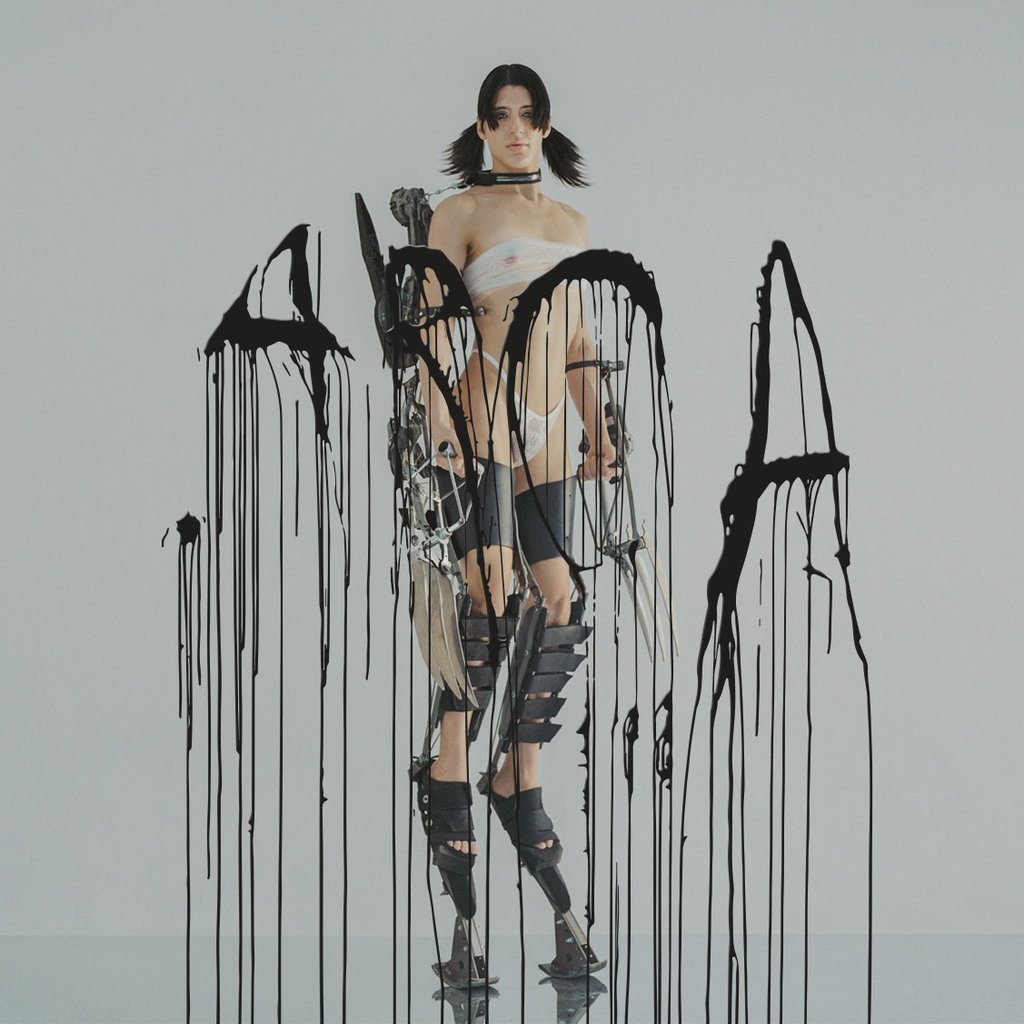
Arca, KiCk i: This would probably have been called IDM in the mid-‘90s, but it also feels more accessible than that. “Mequetrefe” sort of reminds me of when Funkstörung started dabbling in hip-hop, but with a Latin groove punching its way out, while “Nonbinary” eventually morphs into a ballroom vogue track if the legendary children were having seizures. When a Björk guest spot is the least interesting thing on your record, you’ve crossed a lot of fucking lines.


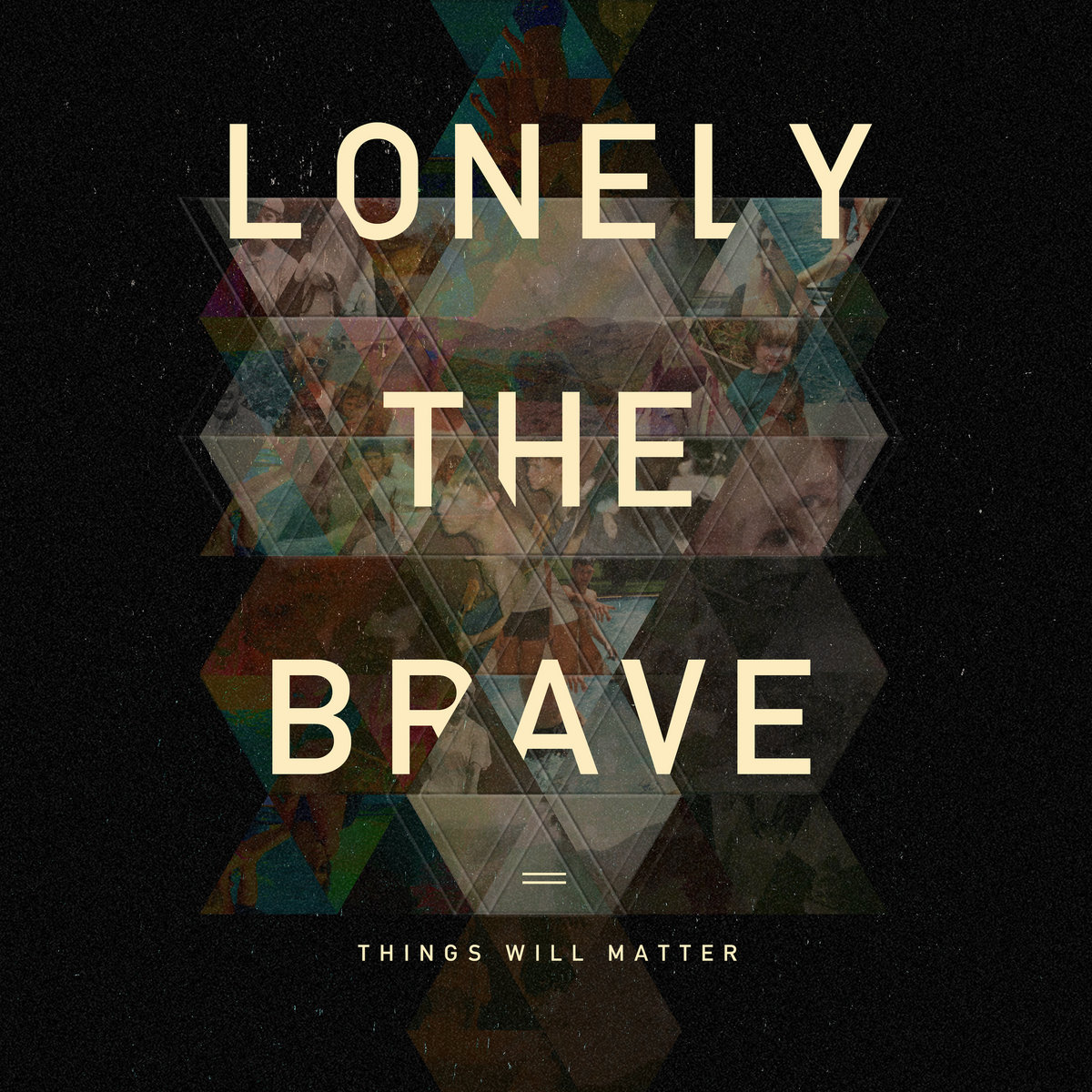
Lonely The Brave, Things Will Matter: I still love honest-to-God rock music. But more than that, I love songs. If you are going to play rock music, then I need something to sing along to, I want an anthem, I want to feel like whoever is singing those words is really going through it. Lonely the Brave give that to me, and more than that, I think they understand that the songs are the thing: Each of their first two albums comes with an accompanying “Redux” version that strips all the songs into unique acoustic arrangements that rival the rock versions. The songs just expose themselves, no tricks necessary.


Owen, The AvalancheAs someone who has lived inside of the band world for 30 years, I have a lot of talented friends. But while I admire them all and love so many of the records they’ve made, I’m never really envious. Not so with Owen: Mike Kinsella writes songs that I wish I played on, he writes lyrics that I wish I wrote, he expresses himself in a way that I’ve just never really been able to express myself. This record, his latest, made me want to write a book or make a record immediately. It reminded me that for all that I’ve put out of myself in the world, I still don’t feel right about myself and that making things is the only salve I know.


Mark Owen, The Art of Doing Nothing: Most people can’t figure out why Take That are my favorite band, and I swear I never meant for them to be. Certainly a band who started by rolling around naked in jello for a music video can’t be my favorite band! But that was 30 years ago, and when I think about who I was 30 years ago, I can’t say I’m any more or less proud of who I was or what I did. In my eyes, Mark Owen is the underdog in Take That — the guy who isn’t Robbie Williams or Gary Barlow — and this album, to me, cemented his superior status. It’s a modern pop record with dark corners and rough edges; there’s bits of Bowie and Moroder and Lanois if you listen hard enough. Should you leave your prejudices at the door, you might actually come to realize how special this record is.

Day’s Plays Guest Post: Gordon Withers


[You can hear Gordon’s music here]


Hum, Inlet: This is by far the best Hum album. The fact that it was released — as a complete surprise — 22 years after their last, in the middle of a global pandemic, just when society is longing most for connection to the familiar, feels like an act of divine grace. The songs are perfect, sprawling and huge and effect-heavy, but never overwrought. When we look back on this era, the release of this album will stand out as a bright spot in the darkness.


Beauty Pill, Describes Things How They Are: This is perhaps the defining record of the 2010’s DC independent music scene. Chad Clark, who leads Beauty Pill, is also a kind, gregarious, thoughtful soul, in addition to being a brilliant artist. Maybe 4 days after George Floyd was murdered, we all woke up to find that Facebook had “permanently deleted” Chad’s Facebook and Instagram profiles. Everyone assumed he had been targeted by MAGA nazis — and in that heightened moment, it felt darkly ominous, like all artists and political dissidents were about to be rounded up and permanently silenced. That could very well still happen, of course (I wouldn’t put it past 2020)! Thankfully his profiles were restored later that day, but for that moment, it was an important reminder of how when artists are silenced, it feels like the entire world collapses inward. If you haven’t yet purchased this record, get it from the band’s Bandcamp page.


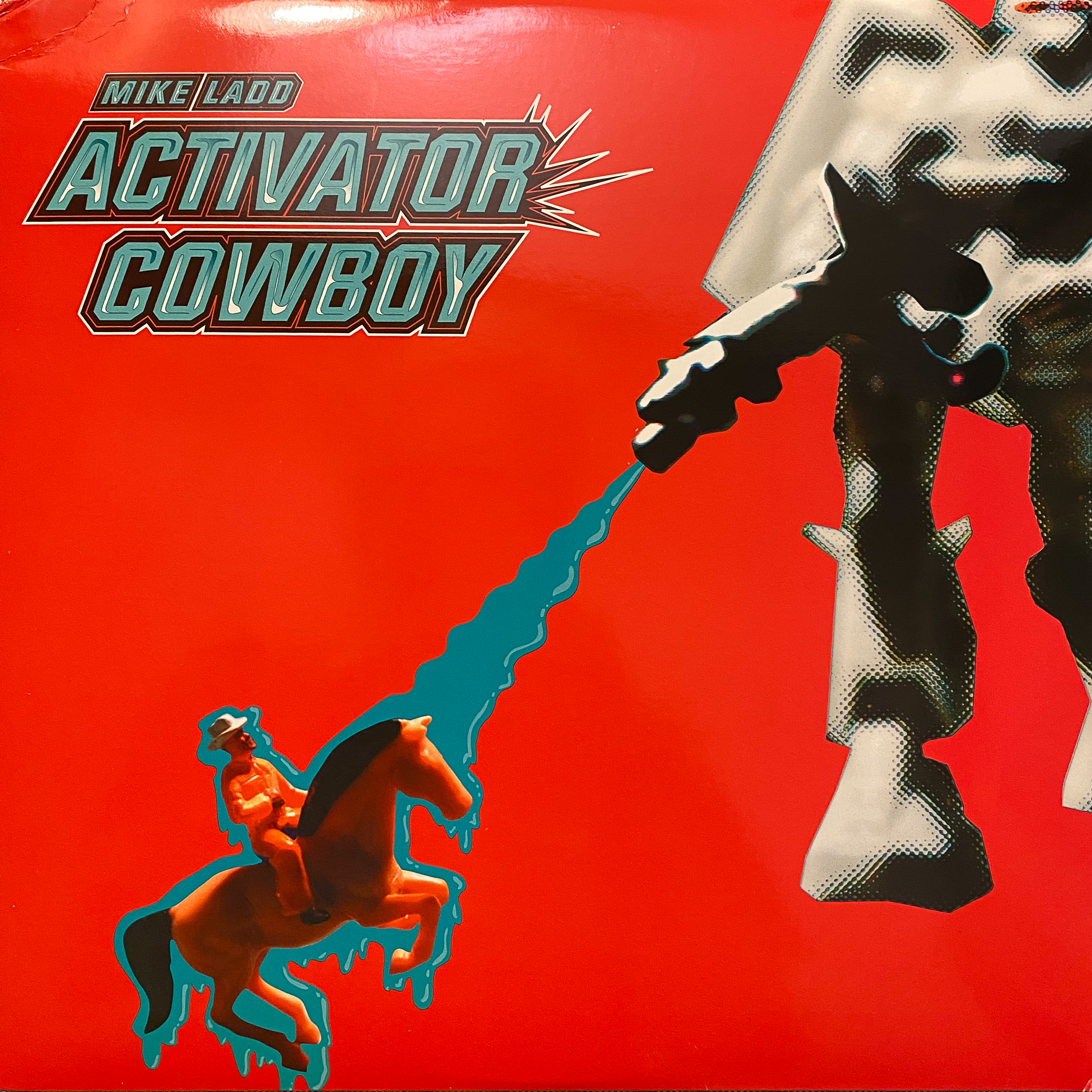
Mike Ladd, Activator Cowboy: One hot Sunday night in the summer of 1998, a friend and I witnessed a mind-blowing performance of Mike Ladd’s — he played the Middle East in Cambridge with a four piece backup band: drums, bass, turntables, and tape loops. It included an epic freestyle that was maybe 30 minutes long. It was one of those magical moments in life that is impossible to clearly remember, but the feeling of which stays with you forever. I saw Mike Ladd’s name come up recently in an article about trailblazing black artists, and it was a great reminder to revisit his incredible late 90s/early 2000s LPs. Easy Listening 4 Armageddon in particular is a masterpiece of a debut, and it includes (sadly) timely tracks like “I’m Building a Bodacious Bodega for the Race War.” The 2001 Activator Cowboy single is the only thing I still own… time to fix that.


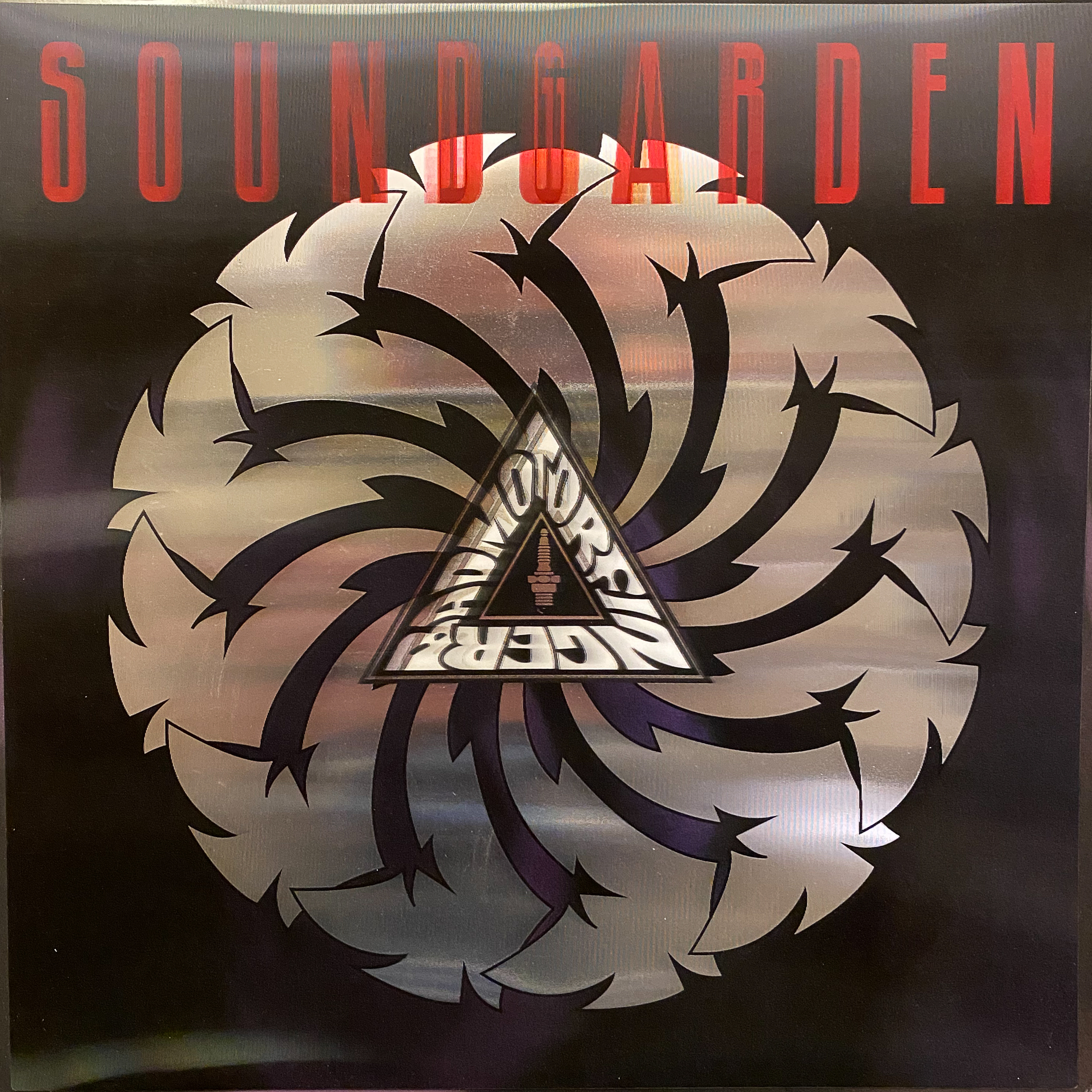
Soundgarden, Badmotorfinger: This is not a guilty pleasure. This is the sound of a group taking a quantum leap forward in their art. For a subset of the grunge generation — those of us who loved Nirvana and Pearl Jam but longed to have our brains rewired more toward the weird and psychedelic — Badmotorfinger delivered. I used to come home from high school, put this on as loud as I could without incurring parental wrath, and sit on the floor with my eyes closed. It was therapy. And it’s no surprise that I’m reaching for it again in 2020. Now, to attempt “Jesus Christ Pose” on the cello.


Peter Kernel, The Size of The Night: This Swiss-Canadian wife and husband band seems to be completely unknown outside of Europe, which is everyone else’s loss. For over ten years they have been releasing albums of their peculiar, idiosyncratic, sometimes trance-like art rock, each one better than the next. They win all sorts of critical awards and tour Europe continuously — and hopefully if live music again becomes possible, they’ll be able to tour internationally.


Fotocrime, South of Heaven: R. (Ryan Patterson, of Coliseum, Black God, and other Louisville bands) is suddenly better-known for his clothing line, Cat Magic Punks — which includes the excellent Cat Lovers Against White Supremacy (C.L.A.W.S.) line. But right before Ye Olde Covid Tymes, he released the astoundingly good second album from his solo project Fotocrime. It’s one of those perfect records where the artist has opened up an unfiltered channel into their true selves. There are darkwave (am I using that term correctly?), hardcore, and post-punk influences, but the voice is R.’s alone. You should buy this record.

Day’s Plays Guest Post: Hank Shteamer


Hello, my name is Hank. Thanks to Zach for inviting me to do this. Info on some of my endeavors can be found here.


T Pain, Tiny Desk Concert: This video is in no way new. Doing some Googling, it appears that the internet rightly flipped out over it en masse in October 2014 when it came out, and it’s currently sitting at 18.7 million YouTube views. But it is new to me. I like watching NPR’s Tiny Desk performances in general (lately, I’ve loved the Tyler, the Creator and Noname ones), and last week, the T Pain edition popped up in my YouTube “Up next” box. Since then, I have probably watched it 30 times. This is an extremely potent example of the Unplugged effect, i.e., the magic that can result when an artist usually heard through a filter of volume, distortion, and/or high-tech production (in this case, Auto-Tune), etc., checks those trappings at the door and simply let the songs speak for themselves. I’ve likely heard these tracks — “Buy U a Drank (Shawty Snappin’),” “Drankin’ Patna,” etc. — out in the world in a passive kind of way, but none of that prior exposure prepared me for this, i.e., the transformation of strip-club anthems into what sound more like heart-rending gospel hymns. The whole performance, just T-Pain and a keyboardist I wish I knew more about who’s apparently named Toro (apologies if I got that spelling wrong, but I cannot find any info on this man anywhere), feels casual yet sublime. I just wish it were longer.


On the Might of Princes, Where You Are and Where You Want to Be: The world of emo, screamo and related subgenres is discussed these days with an almost academic specificity, complete with talk of “waves” and micro-eras. I admire the dedication but I don’t pretend to be an authority here. I just happen to dig a lot of the music that falls under this general umbrella, from Rites of Spring and Cap’n Jazz all the way up through Say Anything, La Dispute and the Hotelier. (Being from Kansas City, I’ve got a special fondness for the bands Boys Life, Giants Chair, and The Farewell Bend, all essential if you don’t know them.) In terms of the fundamental qualities that I look for in this general area, I’m not sure I’ve ever heard a better record than this one. It’s at once punishing and emotionally shattering, ranging from apocalyptically intense post-hardcore to the most tender indie rock imaginable. Singer-guitarist-songwriter Jason Rosenthal, who tragically died in 2013, comes off like the ultimate embodiment of that pissed-off, wounded kid we all know from countless basement shows, shrieking his way through the end of adolescence. (And clearly his sentiments connected; check out this priceless live footage.) But this record is not just some kind of raw purge — the songs are elaborate yet beautifully paced, with an almost proggy sweep that I’ve rarely heard in this genre, and performed with real lived-in maturity (the drum performance by Chris Enriquez is absolutely stellar). The last song, “For Meg,” is so naked and exposed, it should come with a warning label. This is music you want to pump your fist to while sobbing uncontrollably, which is about the highest compliment I could think to pay an emo/screamo record. (After being out of print for years, the album was recently reissued by Dead Broke Rekerds; the vinyl’s already sold out, but thankfully can you can at least download it on Bandcamp. There’s also an OTMOP documentary now in progress, and I can’t wait to see it.)


Grateful Dead, Dick’s Picks Volume 31:I’m not a Dead expert; honestly, I’m barely a Dead novice. But I do really enjoy the Dead, especially those moments when they break free of song and really take it out there. This marathon set, drawn from three shows in August 1974, features some sublime examples of that aspect of Dead-dom, particularly a nearly half-hour-long version of “Playing in the Band” that I find absolutely transcendent. The idea of “jamming” has become a cliché and even a pejorative but there’s a reason so many people flocked to this group for decades — it’s because there’s a real feeling of eternity in this music, and of this strange, symbiotic ensemble unity where various musical organisms (shout-out in particular to Lesh and Kreutzmann, who I never tire of homing in on) are moving independently yet with full awareness of and responsiveness to the other. It’s rock music with a lot of the most attractive qualities of jazz and ambient music and, while this particular sensation isn’t pervasive throughout the album, there are still hints of it all over this set.


John Zorn, Baphomet: I’ve just concluded a roughly four-month immersion in the John Zorn universe, culminating in a somewhat lengthy Rolling Stone story that I published a couple weeks back. I spent time with a mountain of music for this and came away with a whole bunch of new Zorn and Zorn-adjacent faves, but the album that’s been sticking with me the most is the newest: Baphomet, which is the eighth album in just five years by Simulacrum, Zorn’s death-metal organ trio with the great John Medeski on keys and younger avant-garde metal badasses Matt Hollenberg (also of the band Cleric) and Kenny Grohowski (also of Imperial Triumphant, who are about to release an absolutely batshit and inspired album called Alphaville that you need to hear if you have an interest in any kind of outlandish/heavy music) on guitar and drums, respectively. Their live album from earlier this year, Beyond Good and Evil, is also excellent, but I really love the way Zorn turns them loose on a long-form piece here (one composition lasting around 40 minutes) and shows off everything they can do, from towering, explosive hard prog to groovy funk-fusion and gently lyrical mood music. I’d recommend this equally to a Zorn completist and someone who’s never heard a note of his music before. (Mount Analogue, another roughly 40-minute Zorn suite from 2012, with a more chill and mystical bent, is a great complement to Baphomet.)


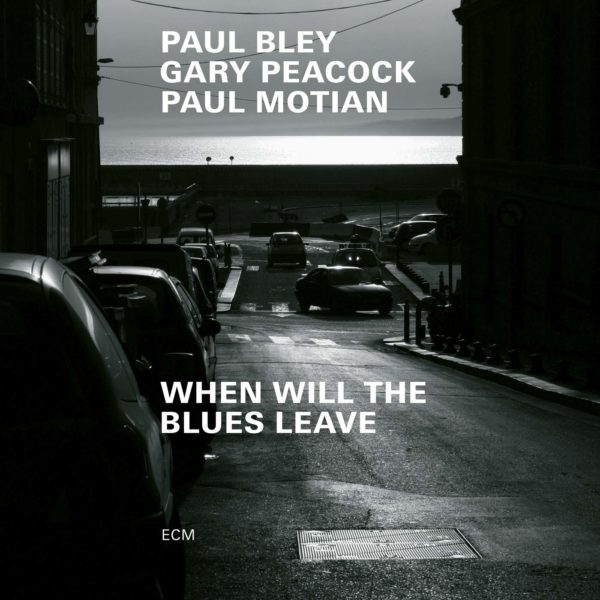
Paul Bley, Gary Peacock and Paul Motian, When Will the Blues Leave: I adore Paul Bley. I know a lot of his records but not enough. Something — I wish I could remember what — sent me down a Bley rabbit hole recently, and I don’t think I’ll emerge for a while. I particularly love hearing him when he’s matched with players who share his knack for effortlessly bridging bold abstraction and disarming emotional depth. Two prime suspects there are Gary Peacock and Paul Motian, and this live trio set (recorded in 1999 but not released till last year) is a holy document. The ballads in particular on this thing (particularly the one called “Flame“) sound like they’re simultaneously ascending and exploding, and the more intense pieces (like the scampering rendition of the title piece by Ornette Coleman) have a kind of joyous spark to them that makes you want to leap up and start shimmying wildly. Players like these (RIP to both Pauls) found a way to celebrate the many schools and eras of jazz in all their splendor while also uncovering new and infinite musical mysteries. What you hear here is so free but it’s not “free jazz”; it’s just three absolute masters communing on the high wire and seeing what happens.


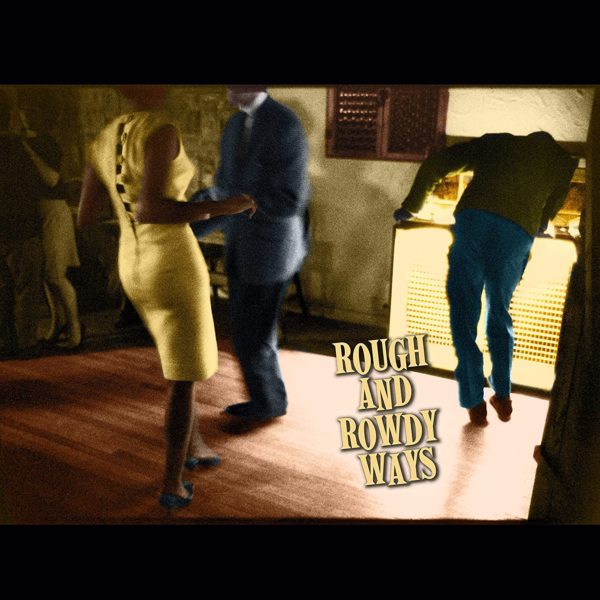
Bob Dylan, Rough and Rowdy Ways: Somehow at 79, Dylan is making more Dylan-y music than he ever has. He’s fully settled into his late style, capitalizing on the full range of his now-ravaged voice, and arrived at a mode that as my friend, the brilliant Jay Ruttenberg, put it in a New Yorker write-up, feels both “frisky and elegiac.” He tosses out one-liners both hammy and hilarious (I think my favorite is “I’ll take Scarface Pacino and the Godfather Brando/Mix ‘em up in a tank and get a robot commando,” from “My Own Version of You“), spits out threats with unsettling venom (“I ain’t no false prophet — I just said what I said; I’m here to bring vengeance on somebody’s head”) and creates these humid song tapestries that just keep unspooling and unspooling, on into some surreal eternity. There’s not really a Dylan album I know that I don’t love, and I know quite a few. But right now, I love this album (particularly the songs “False Prophet” and “Key West (Philosopher Pirate)“) as much as any of them.

Day’s Plays Guest Post: Rachel Demy


[You can see Rachel’s work here.]


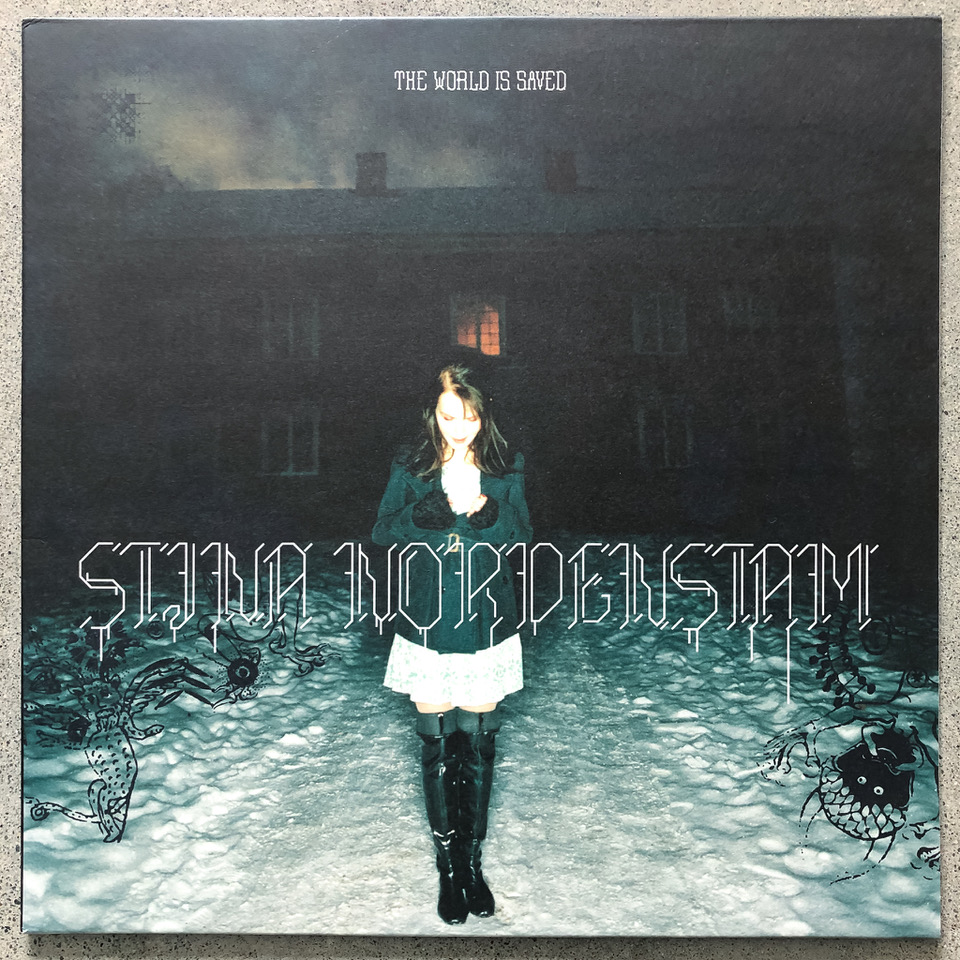
Stina Nordenstam, The World Is Saved: I first heard “Winter Killing” (the 2nd track on the album) around 2009, when a dear friend put it on a mixed CD for me and 10 other women. I had started this compilation club, where every member was assigned a month and in that month had to make 11 copies of a mix, design the packaging and then send them to the other women in the group. Every month, a new mix would arrive from someone and it was a really great way to hear new music before streaming became a thing. The club got disbanded after CDs became obsolete and we couldn’t figure out how to bridge the technological gap while maintaining the integrity of what was intended to be a physical exchange (because getting something in the mail is super fun). But I digress. “Winter Killing” struck me as sweetly vicious and I really wanted to own the album it contained. Incidentally, an old acquaintance in Portland started Beacon Sound and I remember him telling me years later that he was in the process of getting the rights to ‘The World Is Saved’. I completely forgot he intended to release this record so a few months ago, I emailed him asking if he had anymore copies of the record. He told me that the record had sold out awhile ago but that he might have one in the archives, sparing me having to pay hundreds of dollars on Discogs. It showed up in May and the entire record is witty and vicious in that sweet Scandinavian way. I’ve been playing it daily since. Special shoutout to Andrew at Beacon Sound for doing me such a solid.


Gaussian Curve, The Distance: I don’t have a ton to say about this one except that it was recommended to me by a record store clerk and I love Music From Memory’s design chops. The cover of Nothing Is Objective, by Suso Sáiz, is equally beautiful. So, I’m saying I bought this record for the cover and I stayed for the excellent ambient music it contained. This is one of my primary morning records, where I stare into the middle distance over coffee and get gently lulled into starting my day.


Trentemøller, Obverse: If a record contains even a whiff of darkwave, I will happily welcome it into my collection. I love Trentemøller’s work but this one is special to me because it prominently features a number of my favorite female vocalists. I will take as much Rachel Goswell (Slowdive) and Jenny Lee Lindberg (Warpaint) as I can get. I listen to this record on a loop when I’m in my photo studio. It’s a nice one to dip in and out of, which allows me to notice things I haven’t heard before. This has also been a mainstay in my solo Covid-19 quarantine walks because it has a lot of headphone candy and manages to match any mood I bring to these walks. Anxiety, anger, bliss, gratitude, exhaustion, and more. It’s all there.


This Mortal Coil, Filigree & Shadow: Every TMC record has one song that is worth the purchase of the entire LP and this album’s best song is the cover of Gene Clark’s “Strength of Strings”. It’s so intense, which is saying something because Gene Clark’s “No Other” is one very intense masterpiece from front to back. I accidentally bought Filigree & Shadow twice because I haven’t fully inputed my record collection into Discogs yet, so I don’t always remember which albums I own. I’ve done this many times with albums like Pet Shop Boys’ Please; ELO’s Face the Music; and Man or Astro-Man?’s Is It… Man or Astro-Man? Duplicates make great gifts so I don’t sweat it too much.


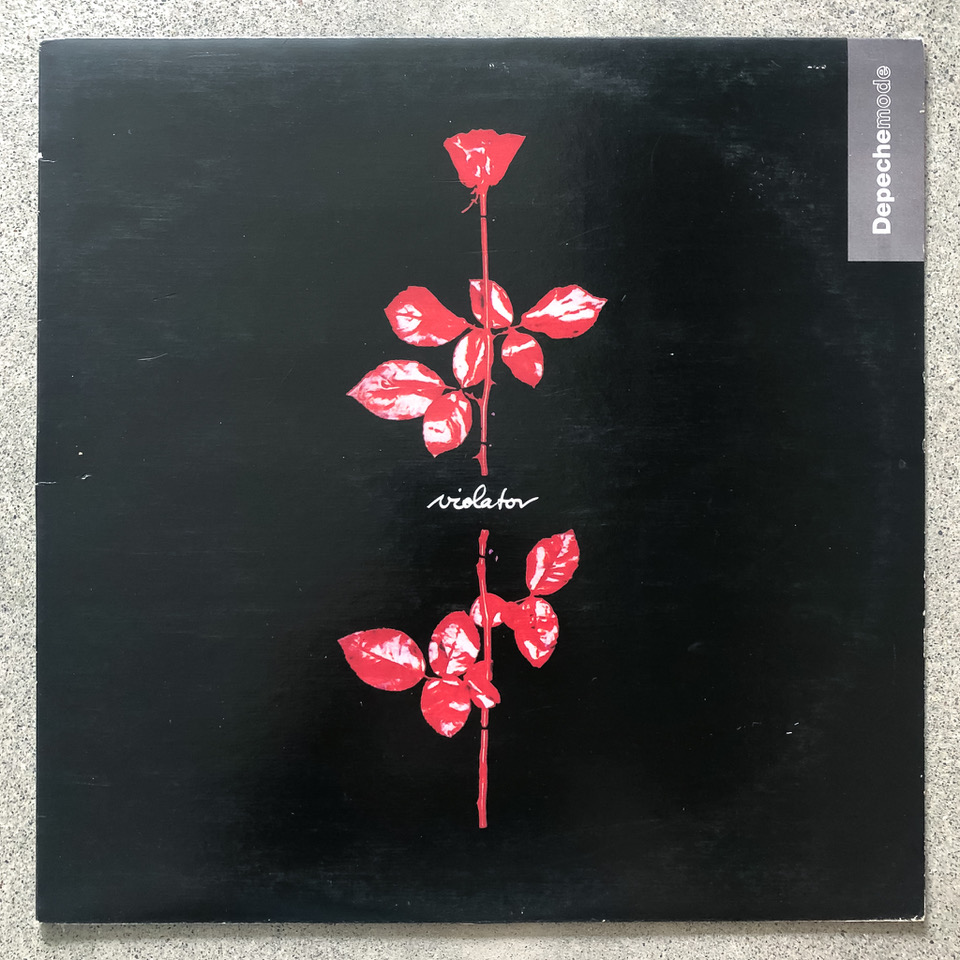
Depeche Mode, Violator: This is my favorite record of all time and it would be a real betrayal to not include it in any and all of my lists. I listen to this record a lot and every time in some way feels like the first time. This 1st pressing was gifted to me by my husband because he believes, as with books, everyone should own a 1st pressing of their favorite record. What can I say about this record? People either love Depeche Mode or they don’t, but all Depeche Mode fans know this is their irrefutable masterpiece (even if they happen to like another album more). I have the rose on the cover tattooed on my body, which is very bold because bands are comprised of fallible humans and there’s always a chance they can disappoint you (or worse, become super creeps – just thinking about all the Michael Jackson tattoos out there). So far so good with regard to Depeche Mode, though. I’ll still happily rep for them.


The Spinanes, Manos: This is another example of owning a 1st pressing of my favorite records. ‘Manos’ is the sound of Portland in the 90s. Rebecca Gates is now a friend of mine and every time I hear her voice live or on one of her albums, I am transported to my time of going to shows at La Luna or working at Berbati’s Pan (two venues that sadly no longer exist). When I first heard The Spinanes, it made me feel like there was room in the world for low lady-voices like mine (solid alto over here) and straight forward rock songs that are charming, smart and cutting at the same time. Also, after the recent glut of bands with 8+ members, a guitar and drum duo is so fucking refreshing. If you can get it done with two, why wouldn’t you? As a photographer, I’ve always loved the cover photo. The warmth of the hands/arms/face reminds me of my family’s photos from San Diego in the 70s and makes me deeply nostalgic for those old film stocks.